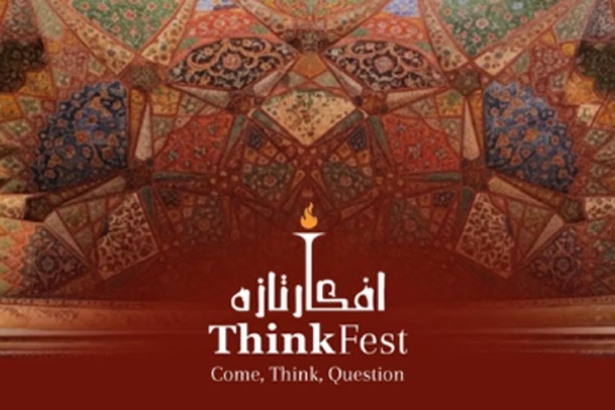

ThinkFest 2026 is back in Lahore, bringing a three-day festival of dialogue, debate, and ideas to Alhamra, The Mall, from January 23 to 25. The event features leading scholars, policymakers, journalists, artists, and activists from Pakistan and around the world. Entry is free, ensuring open public participation and inclusive engagement on major national and international issues.
The festival opened with a focus on geopolitics and global affairs. Vali Nasr, professor at Johns Hopkins University, discussed Pakistan’s strategic position between the United States and China alongside Pakistani scholar Raza Rumi. Later sessions addressed the Gaza conflict and its impact on the Middle East, with Nasr in conversation with journalist Najam Sethi. Climate governance also featured prominently, with Zulfikar Ali Bhutto Jr. and WWF Pakistan Director General Hammad Naqi evaluating the effectiveness of Pakistan’s climate policies.
Parallel sessions highlighted literature, history, and social issues. Zeinab Badawi launched An African History of Africa with historian Ammar Ali Jan, while acclaimed author Mohammed Hanif spoke on literature as a form of resistance. Additional panels explored child protection, early marriage, and Mughal military history, offering a diverse range of discussions for attendees.
On the second day, attention shifted to education, media, economics, diplomacy, and technology. Debates on the future of higher education featured Zeinab Badawi, Uzma Quraishi, S. Akbar Zaidi, Sohail Naqvi, and Adeel Malik, questioning the evolving role of universities. Media polarization in Pakistan and its impact on national cohesion was also explored by leading journalists.
Economic inequality and fiscal reform were central topics in several sessions, including discussions led by Thomas Piketty on global inequality and inclusive societies. Pakistan’s taxation system and economic challenges were analyzed by Rashid Langrial, Musadaq Zulqarnain, and former finance minister Miftah Ismail. Technology, security, and global conflict were examined through panels on artificial intelligence, war in the digital age, and Europe’s security concerns from Ukraine to Greenland.
The final day focused on constitutional, regional, and social issues. Debates explored Iran’s political crossroads, India-Israel relations, and the role of media in shaping public opinion. Legal experts discussed the 27th Constitutional Amendment, while economists and policymakers examined Pakistan’s growth and fiscal constraints.
Cultural and historical discussions remained a key part of the program. Topics included Lahore’s historical narratives in the digital era, the legacy of South Asia’s multiple partitions, minority rights, climate resilience, animal rights, and the preservation of Sufi shrines. Book launches, literary gatherings, and curated cultural sessions complemented the intellectual debates, highlighting ThinkFest’s blend of scholarship and creativity