
An eight-year-old girl from Jhol, a town in Sindh’s Sanghar district, has died after developing rabies, becoming the first rabies-related fatality reported in the province in 2026. The case has once again highlighted serious shortcomings in the management of dog-bite cases, post-exposure treatment, and public awareness regarding this entirely preventable disease.
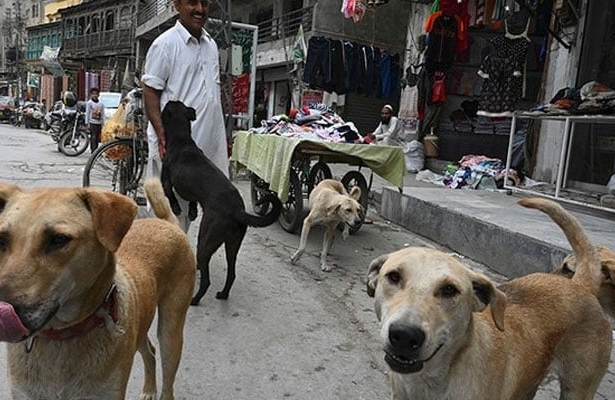
According to doctors, the child was bitten by a stray dog approximately six weeks ago and suffered several deep wounds. Following the incident, she was taken to multiple government health facilities where post-exposure treatment was reportedly started. However, medical professionals later confirmed that the care provided was incomplete and improperly administered, leaving her vulnerable to the rabies virus.
Dr Gohar Aftab, In-charge of the Dog Bite Clinic at Indus Hospital Karachi, confirmed that the girl died as a result of rabies infection. He stated that the child was shifted to Indus Hospital a day before her death, by which time the disease had already progressed to an advanced stage. Doctors noted that she had developed hydrophobia and aerophobia—classic signs of rabies-related encephalitis—which indicate that the illness had reached an irreversible phase.
Medical staff at Indus Hospital explained that once rabies symptoms appear, survival is nearly impossible. As a result, the child was provided with palliative care to ease her suffering, as no curative treatment exists at that stage. Health officials later confirmed that this was the first confirmed rabies case of the year in Sindh, raising alarm amid a growing number of dog-bite incidents across the province.
Statistics shared by health authorities reveal that more than 3,000 dog-bite cases have already been reported in Sindh this month alone. Experts fear that without immediate corrective measures, more rabies cases could emerge in the near future. Last year, at least 21 people died of rabies in the province, while over 60,000 dog-bite incidents were officially recorded.
Public health specialists stress that rabies is 100 percent fatal once symptoms develop, but also 100 percent preventable if proper steps are taken immediately after a bite. These steps include thorough washing of the wound with soap and water for at least 15 minutes, followed by timely administration of the rabies vaccine. In cases involving deep or multiple wounds, rabies immunoglobulin is also essential to neutralize the virus.
Doctors point out that many victims, especially those from low-income and rural areas, either delay seeking medical care or receive incomplete treatment. In numerous cases, patients are only given tetanus shots or antibiotics, while the critical rabies vaccine and immunoglobulin are overlooked. Some patients move between different health facilities without proper records, leading to gaps in care and missed doses.
Health experts argue that the girl’s death reflects a broader systemic failure rather than an isolated tragedy. Weak dog population control, inconsistent availability of vaccines and immunoglobulin, and poor coordination between local governments and health departments continue to put lives at risk.
Paediatricians and infectious disease specialists have urged authorities to improve dog-bite management services, ensure uninterrupted supply of rabies vaccines at public hospitals, and initiate long-term public awareness campaigns, particularly in high-risk districts.
“The real tragedy is that this child lost her life because the system failed to protect her in time,” said a senior infectious disease expert. “Once rabies symptoms appear, there is no cure. Lives can only be saved through immediate, complete, and correct treatment after a dog bite.”