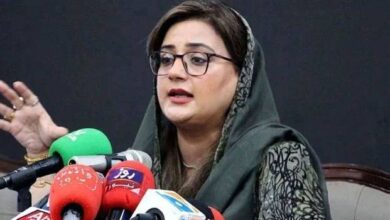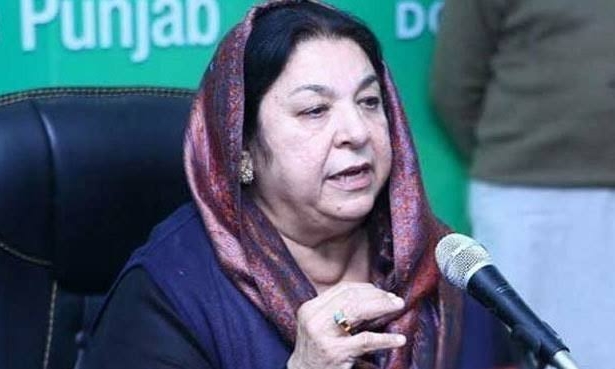

A new report authored by jailed Pakistan Tehreek-i-Insaf leader Dr Yasmin Rashid and co-authored by her lawyer Shayan Bashir says Pakistan’s democratic system was not broken in one sudden move, but was slowly narrowed through laws, elections and constitutional changes.
The report, written from Kot Lakhpat jail, says that institutions continued to exist during this period, but their role gradually changed. According to the authors, the process did not involve the suspension of the Constitution or the declaration of emergency rule. Instead, democratic space was reduced step by step through legal and procedural means.
The report focuses on developments between 2022 and 2025, starting with the political change in April 2022. It says that after this transition, the state increasingly used public order laws, preventive detention and repeated criminal cases to control political dissent.
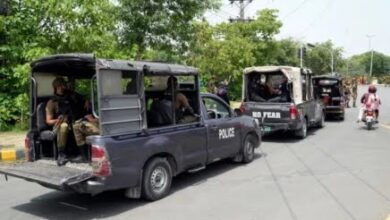
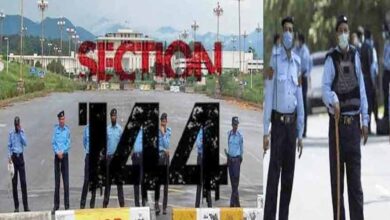
According to the report, protest bans and the use of Section 144 became common. Thousands of political workers were arrested, many facing several cases at the same time. In many instances, people were released on bail only to be arrested again in another city or province. The authors say there were reports of long detentions without timely trials.
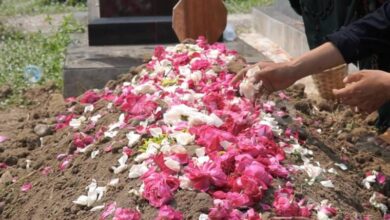
The report also claims that some detainees died after their release, with families alleging that medical care was denied while they were in custody. Women activists and senior political figures were also arrested and kept in detention for extended periods. The authors say the legal system continued to function, but increasingly worked as a tool to exhaust and weaken political opponents rather than deliver neutral justice.
The second part of the report looks at the period leading up to the February 2024 general election. It says political competition took place under heavy restrictions. According to the report, the largest opposition party was denied its electoral symbol, while many candidates were disqualified, arrested or blocked from campaigning.
The authors say campaign activities and media access were not equal for all parties. On polling day, mobile phone and internet services were shut down across the country. Election observers also reported irregularities in result documentation. Although elections were held and a government was formed, the report questions whether the process met constitutional standards of fairness and transparency.
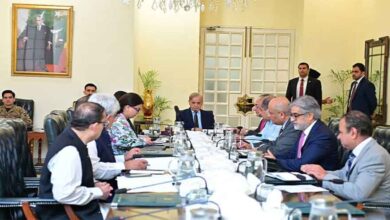
After the elections, the report says, further changes were made through constitutional amendments and new legal measures. These steps, it claims, reshaped the balance between state institutions. Judicial structures and appointment processes were altered, while independent constitutional oversight was reduced. The executive gained more influence in judicial matters, and legal protections were introduced for senior officeholders.
According to the report, courts remained in place, but their independence and ability to hold others accountable were weakened.
The report also highlights what it calls the parliamentary marginalisation of the opposition. It says that legal cases linked to the May 9, 2023 unrest led to convictions by Anti-Terrorism Courts, resulting in the disqualification of several opposition lawmakers.
Leaders of the Opposition were removed from the National Assembly, Senate and Punjab Assembly. Other MNAs, senators and provincial lawmakers were also disqualified. In many cases, seats were declared vacant and by-elections were held while appeals were still pending. The report says these actions sharply reduced the organised presence of the largest opposition group in parliament.
Summing up these developments, the authors say a clear pattern emerged across institutions. Political dissent was contained, electoral competition was narrowed, judicial oversight was reduced and legislative balance was altered. Each step, the report says, relied on existing laws and procedures.
The key takeaway of the report is that between 2022 and 2025, Pakistan experienced a gradual shrinking of democratic space. This was done through legal and constitutional means, rather than through open emergency measures. The authors warn that while institutions may still exist, their changing role has serious implications for democracy and accountability in the country.