
Saudi Arabia has quietly begun allowing wealthy foreign residents to purchase alcohol, marking a significant shift after a 73-year ban.
Analysts suggest the policy could eventually be extended to tourists, as Sameer Hashmi reports from Riyadh. For decades, Riyadh’s Diplomatic Quarter has stood out from the rest of the city, serving as an affluent hub of embassies, high-end residences, shaded streets, and cafes that attract both young Saudis and expatriates.
Now, inside an unmarked, discreet beige building in this exclusive area, a small store has become a testing ground for one of the kingdom’s most sensitive social policy changes – the controlled sale of alcohol to non-Muslim, wealthy foreigners.Saudi Arabia, home to Islam’s two holiest sites, banned alcohol in 1952.
However, under Crown Prince Mohammed bin Salman, the kingdom has pursued broad social and economic reforms to reshape its global image. These changes include reopening cinemas, hosting music festivals, lifting the ban on women driving, and limiting the powers of the religious police. The controlled introduction of legal alcohol sales is considered one of the boldest moves so far.
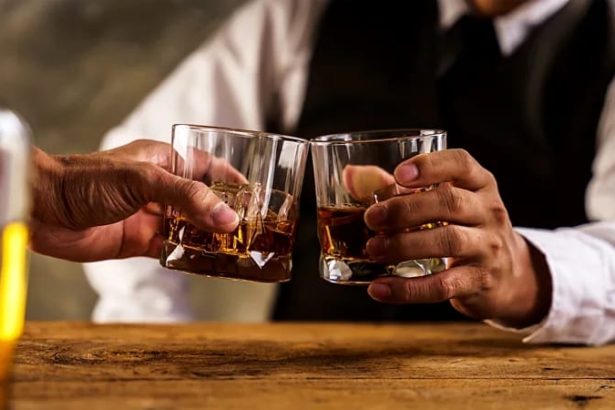
The liquor shop first opened in Riyadh in January 2024 exclusively for non-Muslim diplomats. Under new rules quietly introduced at the end of 2025, wealthy non-Muslim foreign residents can now also buy beer, wine, and spirits.
To qualify, expats must either hold a Premium Residency permit costing 100,000 riyals ($27,000) annually or prove a monthly income of at least 50,000 riyals. Entry requires showing a residence ID, which confirms religion and residency status, and those without a permit must present a company-issued salary certificate. Tourists remain ineligible.Inside, customers must seal mobile phones in tamper-proof bags, and queues often exceed an hour.
Prices are high, roughly two to three times Western markets, but still lower than black-market rates. A bottle of Johnny Walker Black Label whisky costs about $124 (£90), which some buyers say is worth the premium. Purchases are regulated by a points-based monthly quota system, generous enough for dozens of litres per person, with diplomats receiving Authorities have made no official announcements about the policy change.
Many customers first learned about the store through word of mouth. Analysts suggest the deliberate ambiguity allows the government to move cautiously and adjust rules if necessary, balancing economic goals with religious sensitivities.
Alcohol remains forbidden under Islamic law, and observance is strong among much of the local population. discounts.Authorities have made no official announcements about the policy change. Many customers first learned about the store through word of mouth.
Analysts suggest the deliberate ambiguity allows the government to move cautiously and adjust rules if necessary, balancing economic goals with religious sensitivities. Alcohol remains forbidden under Islamic law, and observance is strong among much of the local population.
Despite the ban, alcohol has circulated privately for decades, from homemade brews to imported brands. Embassies have long been allowed to bring in unlimited quantities, and black-market supplies continue to exist.
The policy shift also comes amid economic pressures. With oil revenues affected by subdued energy markets, Saudi Arabia is encouraging high-skilled expatriates and foreign investment to develop non-oil sectors like AI and manufacturing. The kingdom has scaled back ambitious projects like the Neom city resort due to budget constraints, while easing foreign property ownership and financial market participation to attract capital.
Simultaneously, billions are being invested in tourism, entertainment, and global sporting events. In 2024, the country welcomed nearly 30 million international visitors, with non-religious travel now representing over half. The government aims for 70 million tourists.Plans are underway for two more alcohol stores, one in Jeddah and another in Dhahran, with similar restrictions for buyers.
The hospitality sector is preparing for a potential future where tourists could purchase alcohol, hiring bartenders with knowledge of spirits, wine, and beer. Popular tourist destinations like the Red Sea islands and Al-Ula could be the first areas to see broader easing of restrictions. Experts note that while alcohol may not be the main attraction, it could enhance Saudi Arabia’s appeal to Western visitors. The kingdom faces growing competition from regional rivals like Dubai to attract both tourists and foreign residents.