
Tehran has cautioned against external interference ahead of Israeli Prime Minister Benjamin Netanyahu’s upcoming visit to Washington, which is expected to focus on negotiations with the United States concerning Iran.
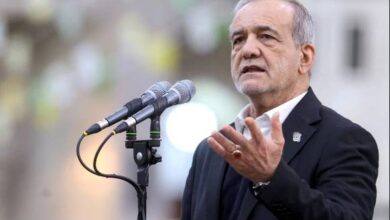
Iranian Foreign Ministry spokesman Esmaeil Baqaei said in a weekly press briefing that Washington, as the negotiating party, must act independently and avoid pressures that could negatively affect regional stability. He described Israel as a “saboteur” that consistently undermines any diplomatic efforts in the Middle East that could promote peace.
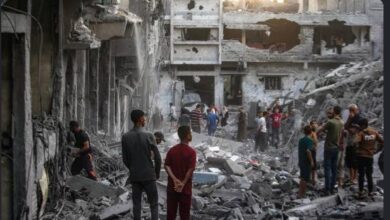
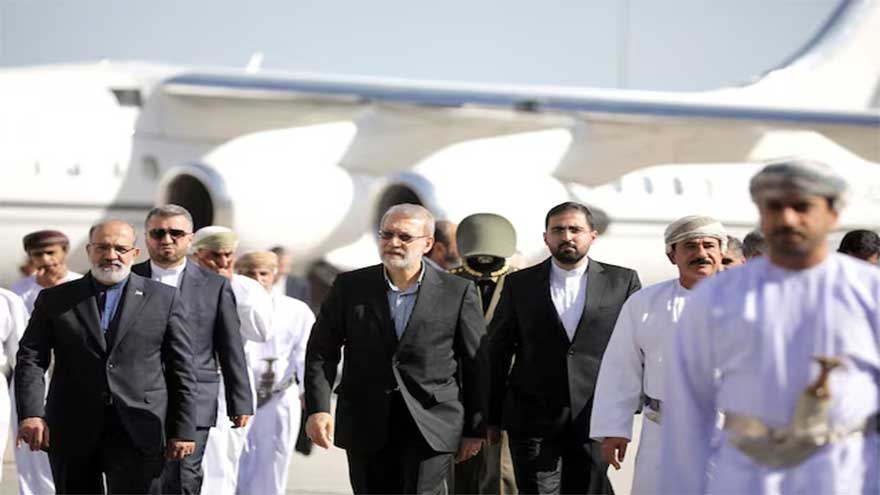
The warning comes amid the resumption of talks between Tehran and Washington in Muscat last Friday, months after previous negotiations broke down following Israel’s unprecedented airstrikes against Iran in June. Those attacks, which sparked a 12-day conflict, targeted Iranian nuclear sites, military officials, and residential areas. The United States also carried out strikes on key Iranian nuclear facilities during the campaign.
Iran responded with missile and drone strikes on Israel and by targeting the largest US military base in the Middle East, located in Qatar. Reflecting on the June conflict, Baqaei said the experience was “very negative” and emphasized that Iran remains determined to safeguard its national interests through diplomacy, focusing solely on nuclear matters in exchange for sanctions relief. Tehran has reiterated that it will not entertain negotiations that go beyond the nuclear issue.
Netanyahu’s office, meanwhile, has indicated that the Israeli leader seeks talks that include restrictions on Iran’s ballistic missile program and a halt to its regional support networks.
The renewed diplomatic efforts follow heightened regional tensions, including US threats and the deployment of an aircraft carrier group, after Iran’s crackdown on nationwide protests last December. The demonstrations, initially sparked by rising living costs, escalated into violent unrest, which Iranian authorities allege was fueled by external actors, including the US and Israel.