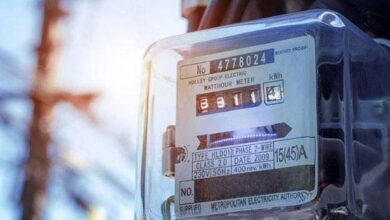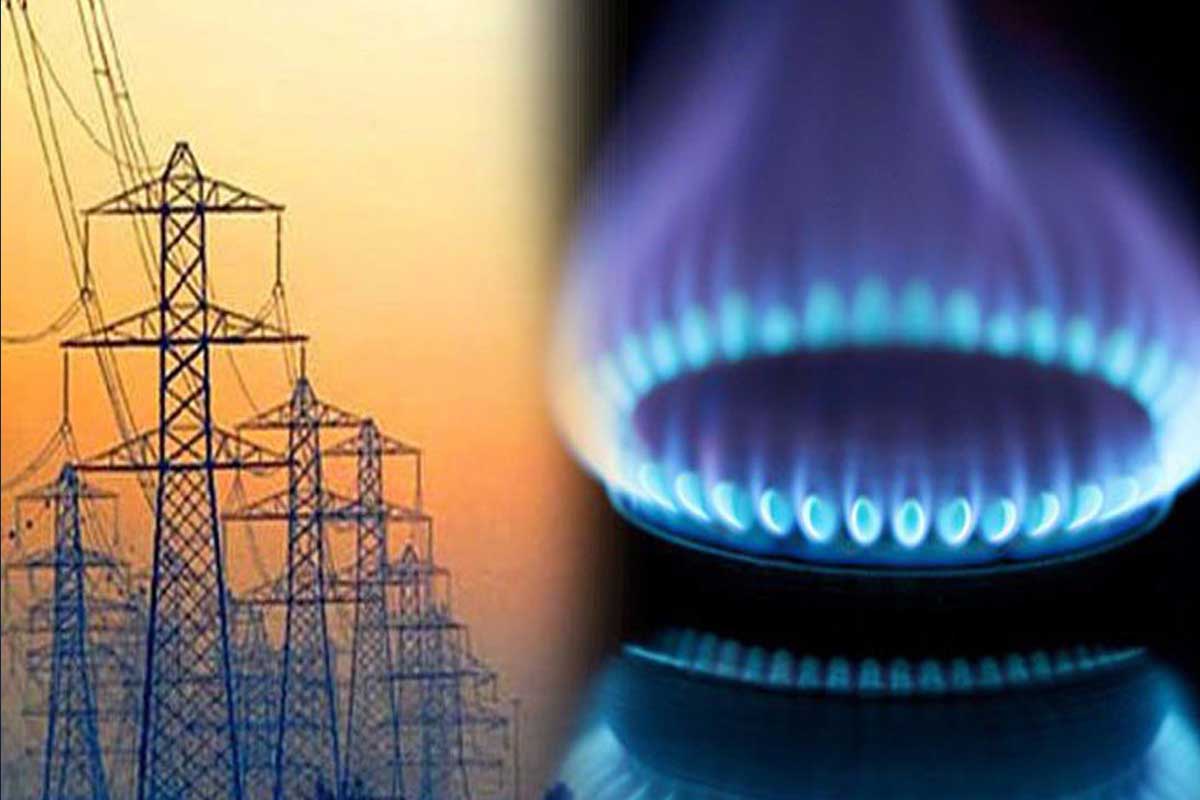

The federal government has initiated groundwork for a sweeping overhaul of Pakistan’s electricity and gas pricing framework, aiming to shift the basis of consumer billing from energy consumption to household income.
Under the proposed reforms, officials say the existing slab system — which determines tariffs primarily on the amount of electricity or gas consumed — will be replaced with an income-based structure. This would mean that subsidies and tariff categories are calculated according to a household’s declared income rather than solely on units consumed.
Income-Based Subsidy Model
According to senior officials familiar with the deliberations, the new model seeks to ensure that government support is targeted toward low- and middle-income households, while higher-income consumers pay closer to the actual cost of energy supply. Policymakers argue that the current consumption-based system often benefits households with lower usage regardless of their financial capacity, while some genuinely vulnerable families fail to receive adequate relief.
Under the revised structure:
Households will be categorized into income brackets.
Subsidies will be allocated based on verified income data.
Higher-income groups may see a reduction or removal of subsidies.
Lower-income families are expected to receive enhanced protection against tariff hikes.
Officials indicated that data integration between tax authorities and utility providers may be required to implement the system effectively.
Linked to IMF Commitments
The reform package is being finalized in line with commitments made to the International Monetary Fund under Pakistan’s ongoing economic stabilization programme. The IMF has consistently urged the government to rationalize energy subsidies, reduce circular debt, and improve cost recovery in the power and gas sectors.
Energy sector losses and mounting circular debt have remained a major challenge for successive governments. By aligning subsidies with income levels, authorities aim to limit blanket relief measures and improve fiscal discipline without disproportionately burdening low-income households.
Possible Changes to Basic Tariff and Fixed Charges
Earlier reports suggested that the federal government is also considering adjustments to the basic electricity tariff and a revision of fixed charges applied to consumers’ monthly bills. While details are yet to be formally announced, officials hinted that a reduction in the base tariff may be accompanied by restructuring of fixed costs to balance revenue requirements.
The Ministry of Energy is expected to consult stakeholders, including distribution companies and regulatory authorities, before final approval of the new mechanism.
Public Reaction and Next Steps
Energy pricing reforms have historically drawn strong public reaction due to their direct impact on household budgets. Analysts say transparent communication and a robust verification system will be crucial for the success of the income-based slab model.