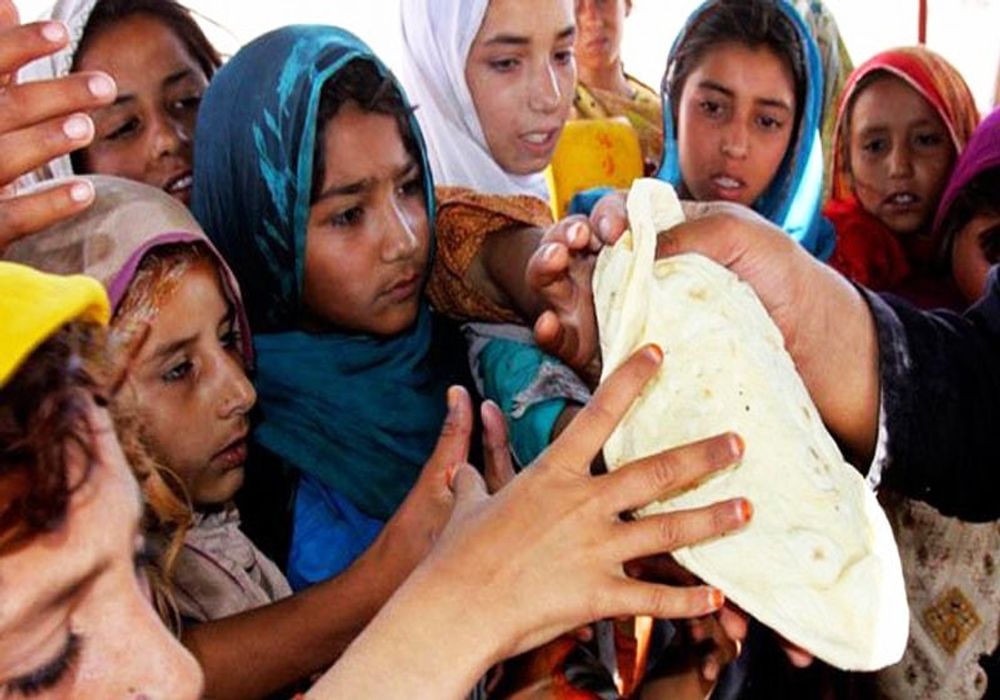

Poverty levels in Pakistan have climbed significantly over the past six years, reversing earlier gains and pushing nearly one-third of the population below the poverty line in 2024-25, according to the latest official estimates.
Fresh figures compiled after the completion of the Household Integrated Economic Survey (HIES) 2024-25 indicate that 28.8 percent of Pakistanis are now living below the national poverty threshold. This marks a sharp rise from 21.9 percent recorded in 2018-19 — an increase of 6.9 percentage points over six years.
Poverty Reverses Downward Trend
The new data shows a clear break from the downward trajectory observed between 2005-06 and 2018-19. During that period, poverty had steadily declined from 50.4 percent to 21.9 percent, supported by relatively stable economic growth and social protection measures.
However, the latest survey results suggest that progress has stalled — and, in fact, reversed — amid prolonged economic turbulence.
According to senior officials familiar with the estimates, multiple economic shocks contributed to the surge in poverty. These include three International Monetary Fund (IMF) stabilisation programmes over six years, the economic fallout from the Covid-19 pandemic, global commodity price volatility, record-high inflation, sluggish GDP growth, two devastating flood events, and policy shifts such as the withdrawal of wheat support prices.
Provincial Impact
The increase in poverty has been observed across all provinces. Punjab, Sindh, and Khyber Pakhtunkhwa (KP) have reported noticeable rises in poverty incidence, while Balochistan has experienced a comparatively smaller uptick.
Officials noted that both rural and urban households have been affected, although rural areas continue to show higher poverty concentrations. In 2018-19, urban poverty stood at 11 percent compared to 28.2 percent in rural areas. Updated rural-urban breakdowns for 2024-25 are expected to be shared in the official release.
Government to Release Official Figures
Federal Minister for Planning, Development and Special Initiatives, Ahsan Iqbal, is expected to formally announce the poverty estimates for 2024-25. The figures are based on recommendations submitted by a high-level committee constituted after the completion of the latest survey.
The 17-member Poverty Estimation Committee was formed by the Ministry of Planning following the HIES 2024-25 exercise. The panel was chaired by Dr G M Arif, former Joint Director of the Pakistan Institute of Development Economics (PIDE).
When approached, Dr Arif confirmed that the committee had finalised its report and submitted it to the government, though he refrained from disclosing specific findings prior to the official announcement.
Methodology and Measurement
Pakistan measures poverty using the Cost of Basic Needs (CBN) methodology. This approach calculates the minimum income required to meet essential food and non-food requirements, with periodic adjustments made to account for inflation through the Consumer Price Index (CPI).
Officials explained that when Pakistan transitioned to the CBN-based framework, it consulted international experts, including specialists from the World Bank, to ensure methodological consistency.
The recent estimates reflect the impact of inflation-adjusted poverty lines, as price pressures over the last few years have significantly eroded household purchasing power.
Broader Economic Context
The rise in poverty coincides with a challenging macroeconomic environment marked by currency depreciation, fiscal tightening under IMF programmes, and reduced development spending. Analysts note that inflation — particularly food and energy prices — has disproportionately affected low-income households.
The government has also completed the Labour Force Survey, which is expected to be released soon and may provide further insight into employment trends and income dynamics.
With nearly 29 percent of the population now estimated to be living below the poverty line, policymakers face mounting pressure to implement targeted social protection measures and stimulate inclusive economic growth to prevent further deterioration in living standards.