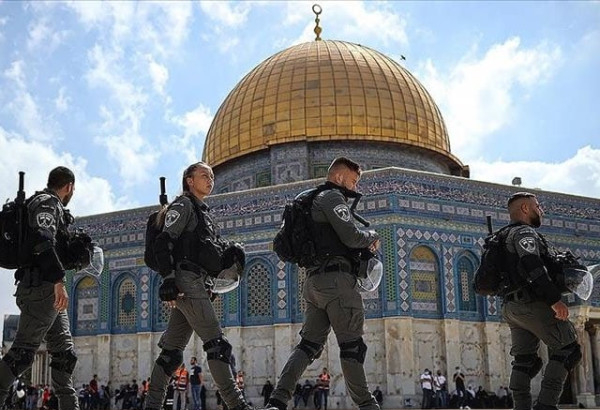

Israeli authorities imposed sweeping restrictions on Palestinian worshippers seeking to attend prayers at the Al-Aqsa Mosque compound on the first Friday of Ramazan, significantly limiting access from the occupied West Bank to Jerusalem.
Thousands of Palestinians gathered before dawn at the Qalandiya checkpoint, the main crossing between Ramallah and Jerusalem, hoping to secure entry permits to perform prayers at the holy site. Long queues formed as families, elderly worshippers and children waited for hours under tight security measures.
Israeli officials announced that only 10,000 Palestinians from the West Bank holding special permits would be allowed to enter Jerusalem for prayers at the Al-Aqsa Mosque. The quota marks a sharp reduction compared to previous Ramazan seasons, when significantly larger numbers were granted access for Friday congregational prayers.
Under the new criteria, entry has been restricted primarily to children under 12 years of age, men aged 55 and above, and women aged 50 and older. Younger men were largely barred from crossing, a move Palestinian officials and rights groups say disproportionately affects those wishing to participate in one of Islam’s holiest observances.
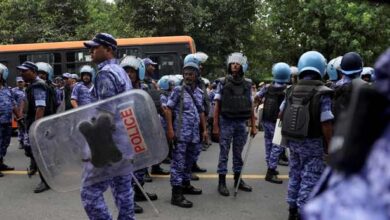
Reports from Israeli broadcaster Channel 12 indicated that by early morning only around 2,000 Palestinians had successfully crossed through Qalandiya toward Jerusalem. Security forces maintained a heavy presence at checkpoints separating the West Bank from East Jerusalem, with additional personnel deployed amid heightened tensions.
The first Friday of Ramazan traditionally draws tens of thousands of worshippers to the Al-Aqsa compound, located in Jerusalem’s Old City. The site is revered by Muslims worldwide and remains a focal point of political and religious sensitivities in the region.
Palestinian authorities have criticized the restrictions as collective punishment and an infringement on religious freedom. Israeli officials, however, have defended the measures as necessary to maintain security during a period of heightened regional tension.