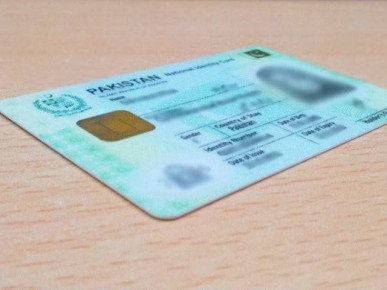

The Supreme Court has ruled that blocking a citizen’s national identity card (CNIC) to enforce a court decree is illegal. The decision came in a case challenging the Sindh High Court’s earlier order.
Justice Muneeb Akhtar issued a three-page judgment. He said a CNIC is not a luxury. It is a basic necessity for daily life. Without it, citizens cannot access essential services. The court questioned, “Will courts tomorrow also order disconnection of electricity or water to recover debts?”
The Supreme Court said there is no law under Section 51 of the Code of Civil Procedure that allows a CNIC to be blocked. Any court action without clear legal provision is invalid. The ruling also clarified that amendments made by the Peshawar High Court to the Code of Civil Procedure do not apply to Sindh.
The case originated from a 2016 property dispute. A trial court had directed the petitioner to pay a certain amount. When he did not pay, the court blocked his CNIC. The Sindh High Court upheld that decision. The Supreme Court has now overturned both orders.
The verdict emphasizes that a CNIC is crucial for citizens to exercise their fundamental rights. It is required for banking, voting, travel, education, and legal matters. Depriving someone of this document interferes with their right to life.
Legal experts said the ruling sets an important precedent. Courts cannot bypass legal procedures to enforce financial judgments. It also protects citizens from arbitrary measures that restrict access to essential identity documents.