
The US-Iran tensions escalated this week as Iran was set to reveal a draft nuclear agreement, only after President Trump’s warning that the US might go for military action if a deal was not close at hand.
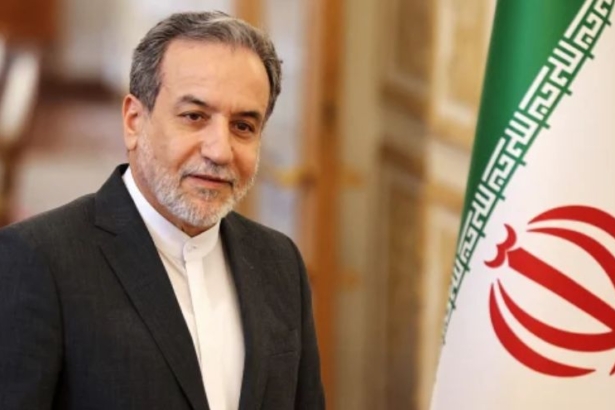
Iran’s Foreign Minister, Abbas Araghchi, told MSNBC’s Morning Joe on Friday that the draft agreement would be ready in two to three days, pending final approval from top officials. “My next step is to show the draft of a possible agreement to my counterparts in the United States,” Araghchi said, adding that “both sides want a quick agreement, not an ultimatum.”
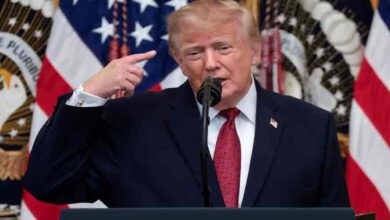
This came in contrast to the US’ warnings. Trump said on Thursday that the US would take military action if a deal was not reached within 15 days, primarily on Iran’s nuclear issue. However, Araghchi made it clear that Tehran had not proposed a suspension of uranium enrichment, nor had there been a demand for a complete halt from the US side. “We’re now discussing how to ensure Iran’s nuclear program, including enrichment, remains peaceful and stays peaceful forever,” he said.
The comments came after the second round of Oman-sponsored talks in Geneva this week, following the first round in Oman on February 6. These talks represent the first official engagement since the 12-day Iran-Israel conflict in June last year, where the U.S. struck Iranian nuclear sites.
The situation is critical. The U.S. is demanding “zero enrichment” and demands information about Iran’s ballistic missile program and its regional influence via proxy forces, while Israel has called on the U.S. to widen the scope of talks. Iran has repeatedly denied any plans to develop nuclear weapons, claiming its program is for peaceful purposes.
The U.S. has significantly upped its military presence in the Gulf, deploying aircraft carriers USS Abraham Lincoln and USS Gerald R. Ford, along with accompanying vessels, while Iran has conducted naval exercises in the Strait of Hormuz, indicating the danger of escalation.
As diplomats work against the clock, the world holds its breath: Will a negotiated agreement prevent another outbreak in the troubled Middle East, or will tensions escalate to a direct confrontation between two nuclear powers? Iran’s upcoming draft agreement may be what tips the balance.