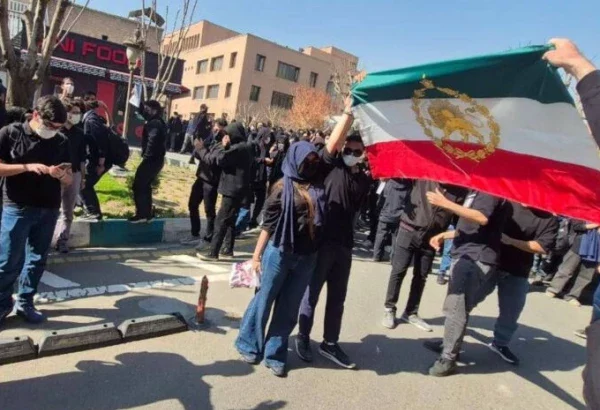

A new wave of anti-government protests has started in Iran, with university students leading demonstrations against the authorities in several cities. Reports from international media say the protests have continued for a second and third day, showing growing unrest among young people.
Students from major institutions, including University of Tehran, Amirkabir University of Technology, and Sharif University of Technology, gathered on campuses and nearby streets, chanting slogans against the government and the country’s Supreme Leader Ali Khamenei. Protesters were also seen waving Iran’s pre-revolution flag featuring the lion and sun symbol, which has become a sign of opposition to the current leadership.
The demonstrations were mainly organized by students, although there were reports of clashes with security forces in some areas. Protesters chanted slogans such as “We do not want this government,” turning the rallies into a broader political movement.
This latest unrest comes after large nationwide protests last month, during which authorities carried out a strict crackdown. Hundreds of people were reportedly killed and thousands arrested during those demonstrations, increasing tensions across the country.
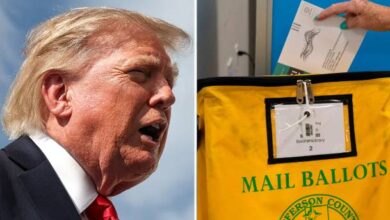
Moreover, Iran has warned that any military action by the United States, no matter how limited, would trigger a “ferocious” response. The warning follows statements by US President Donald Trump, who said he was considering limited strikes against Iran.
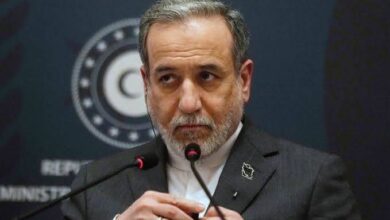
The country’s Foreign Ministry spokesman, Esmaeil Baqaei, said that any US attack would be regarded as an act of aggression. He stressed that Iran, like all nations, has the right to defend itself and would respond strongly if provoked.
The announcement comes as the US has reinforced its military presence in the Middle East. The deployment is intended to put pressure on Iran ahead of renewed nuclear negotiations. Indirect talks between Iran and the United States, mediated by Oman, resumed in Switzerland last week. Another round is scheduled for Thursday. Iran has confirmed its participation, while the US has not yet officially confirmed the next meeting.
The European Union has called for diplomacy and restraint. EU foreign policy chief Kaja Kallas urged both sides to seek peaceful solutions. She noted that Iran is in a vulnerable position and emphasized that the current moment should be used for negotiations, not conflict.
Iran has faced multiple internal and regional challenges in recent months. These include mass protests in January, last year’s 12-day conflict with Israel, and the weakening influence of Iranian-backed regional proxies. Despite pressures, Iran maintains that nuclear talks focus solely on its nuclear program. Western countries have expressed concerns that the program could be used to develop nuclear weapons, a claim Iran denies.
Iran’s delegation to the talks is led by Foreign Minister Abbas Araghchi. The United States is represented by envoy Steve Witkoff and presidential adviser Jared Kushner. Trump has publicly questioned why Iran has not yielded to US demands, but Iranian officials insist the nation has never capitulated to foreign pressure.