
Pakistan has reaffirmed its commitment to deepening development cooperation with the World Bank, with both sides agreeing to accelerate reforms aimed at strengthening economic stability, advancing climate action, and improving key sectors of the economy.
The understanding was reached during a meeting between Finance Minister Senator Muhammad Aurangzeb and the World Bank’s Country Director, where discussions focused on aligning Pakistan’s reform agenda with the objectives outlined in the Country Partnership Framework (CPF).
Focus on Economic Stability and Climate Goals
According to officials from the Finance Ministry, the talks centered on sustaining macroeconomic stability while pursuing long-term structural reforms. Both sides emphasized the importance of policy consistency and institutional strengthening to support economic resilience.
Climate change emerged as a major pillar of cooperation, with Pakistan seeking continued financial and technical support to meet its climate adaptation and mitigation targets. The World Bank assured its backing for projects designed to enhance climate resilience, particularly in vulnerable sectors such as agriculture, water management, and energy.
Reform Priorities Under CPF
Detailed discussions were held on reform priorities under the CPF, which provides a roadmap for development cooperation between Pakistan and the World Bank Group. The framework highlights human capital development, population management, climate action, and agricultural transformation as central themes.
Minister Aurangzeb stressed that effective execution of CPF initiatives would require close coordination between federal and provincial governments. He underlined the need for stronger engagement of federal ministries in both policymaking and implementation to ensure reforms translate into measurable outcomes.
Agriculture and Private Sector Engagement
Agricultural reform featured prominently in the talks, with both sides examining ways to enhance productivity, modernize value chains, and improve farmers’ access to credit. Expanding private sector participation and promoting investment in agribusiness were identified as essential for boosting rural incomes and food security.
The World Bank and the International Finance Corporation reiterated their support for reforms aimed at strengthening agricultural markets and facilitating sustainable financing solutions.
Energy Sector and Financial Sustainability
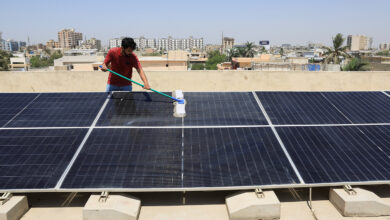
Energy sector reforms were also discussed, particularly measures to improve financial sustainability and operational efficiency. Officials agreed to continue technical-level engagements to address structural challenges and ensure long-term viability of the power sector.
Transparency and Governance
Both parties highlighted the importance of transparency, accountability, and enhanced monitoring mechanisms in development projects. Strengthening governance frameworks was described as critical to maximizing the impact of external financing and ensuring effective utilization of resources.