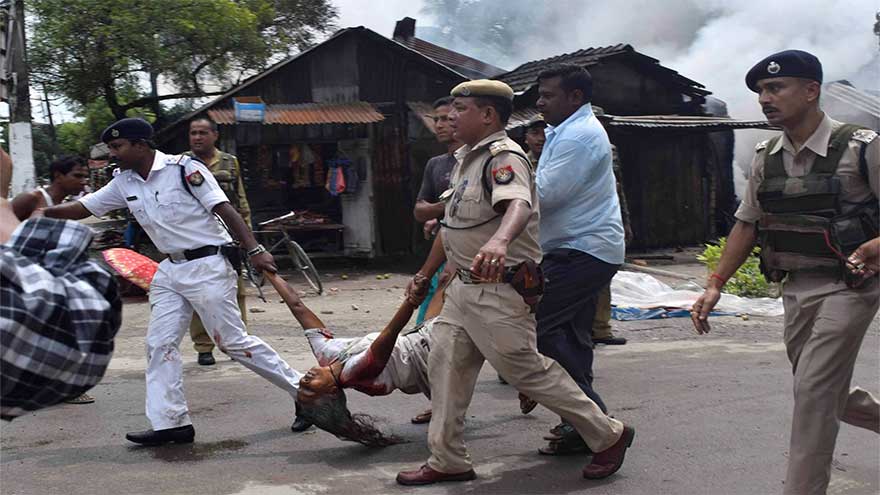

NEW YORK: Two UN experts have called on India to order urgent, independent investigations into reports of hundreds of alleged extrajudicial killings, torture-related deaths and thousands of injuries linked to law enforcement operations.
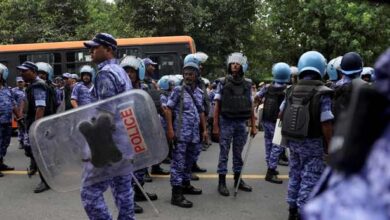
The Special Rapporteurs – who are pointed by the Geneva-based UN Human Rights Council – said they had received credible information pointing to a pattern of excessive and often lethal force, particularly in Uttar Pradesh and Assam.
The independent rights experts are calling for the urgent modernization of India’s police force.
“These allegations paint a picture of law enforcement violence that is not sporadic, but systemic,” the experts said in. joint statement.
“There appears to be a systemic failure of policing to meet basic human rights standards.”
They expressed concern that minorities such as Muslims, Dalits and Adivasis (or Indigenous Peoples) were being disproportionately affected and warned that “silencing those who seek justice is incompatible with an open and democratic society”.
The experts urged reforms to bring policing into line with international standards and said they had written to the authorities, offering technical support while continuing to monitor developments.
According to a press release, human rights experts have raised serious concerns over what they describe as a widespread pattern of excessive — and at times lethal — use of force by police in several Indian states, particularly Uttar Pradesh and Assam. The allegations include so-called “encounters” and “half-encounters,” as well as extensive reports of custodial torture. According to the experts, marginalised communities, including Muslims, Dalits and Adivasis, have been disproportionately affected.
They warned that the terminology used to describe police shootings can obscure deeper problems. Referring to the use of the terms “encounters” and “half-encounters,” the experts said such language risks normalising unlawful violence and undermining public trust in law enforcement.
The experts also expressed alarm over persistent reports of torture and ill-treatment in both police and judicial custody. Allegations include beatings, electric shocks, sexual violence, psychological abuse and denial of medical care, reportedly occurring in official and unofficial detention facilities. Severe overcrowding and poor detention conditions were said to further increase the risk of abuse.
Pointing to gaps in accountability, the experts noted that India has not ratified the UN Convention against Torture and does not explicitly criminalise torture under domestic law. They added that recent legislative changes have reportedly expanded police powers while weakening safeguards against abuse. Existing protections — including Supreme Court directives mandating CCTV cameras in police stations and guidelines governing investigations into police encounters — are often not effectively implemented.
The experts emphasised that authorities have a duty to protect the right to life and personal integrity during arrest and detention. They called for torture to be criminalised in domestic law, for complaints to be investigated promptly and impartially, for evidence obtained through torture to be excluded from proceedings, and for victims to receive effective remedies, including rehabilitation.
Describing the situation as indicative of systemic shortcomings in policing standards, the experts said modernising India’s police forces should be an urgent priority, with a shift toward service-oriented and rights-based policing practices.
They also condemned alleged harassment and reprisals against victims, families, lawyers, medical professionals and civil society members seeking accountability, warning that silencing those pursuing justice is incompatible with democratic principles.
The Special Rapporteurs said they have formally communicated their concerns to the Government of India, expressed readiness to provide technical assistance, and will continue monitoring developments.