
North Korea has expressed strong support for Iran’s recent appointment of Mojtaba Khamenei as the country’s new supreme leader, emphasizing respect for Iran’s sovereign choice. The announcement came after the death of former Supreme Leader Ayatollah Ali Khamenei, who was killed in a US-Israeli attack at the start of escalating regional conflicts on February 28. Pyongyang’s official statement highlighted its stance in backing Iran’s decision while condemning external interference in its political affairs.
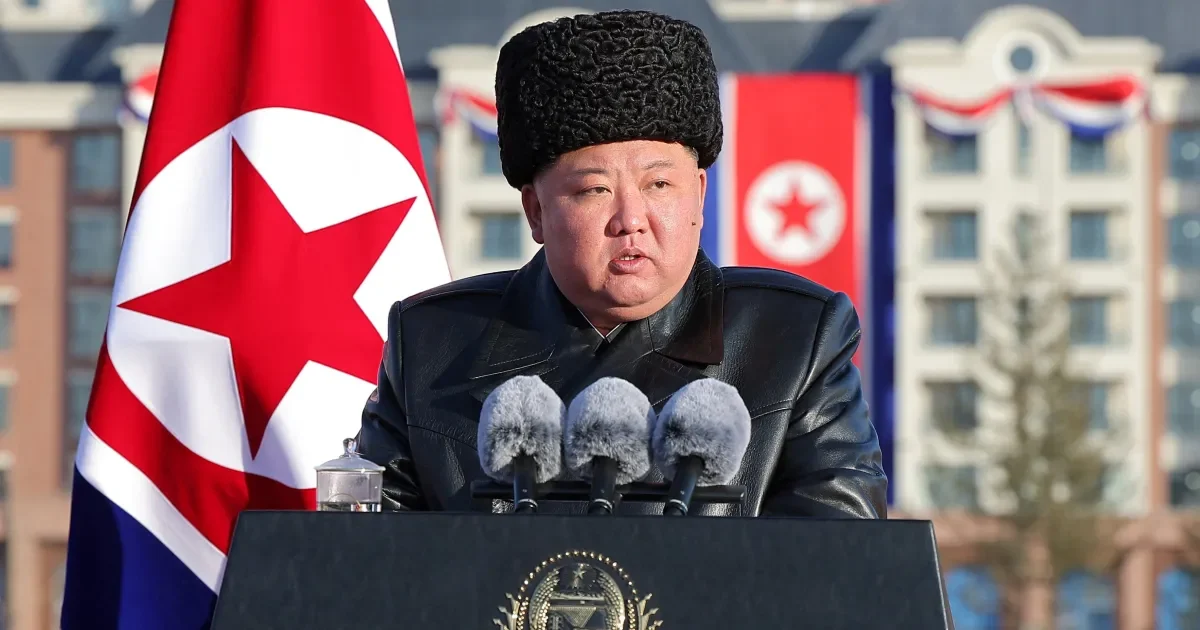
The Korean Central News Agency (KCNA) quoted an unnamed spokesperson from North Korea’s Ministry of Foreign Affairs, stating that the country respects the rights of the Iranian people to select their supreme leader. The statement underscored that Iran’s internal political decisions should not be influenced or challenged by foreign powers, calling for recognition of its sovereignty. North Korea framed the appointment as a legitimate and sovereign act reflecting Iran’s political stability.
In addition, the North Korean spokesperson sharply criticized Washington and Tel Aviv for what it described as “illegal” attacks on Iran. The official claimed these actions threaten regional peace and security, contributing to instability that spreads worldwide. Pyongyang warned that foreign interventions undermining Iran’s governance could escalate tensions and provoke further geopolitical conflicts.
The statement also accused the United States and Israel of attempting to interfere with Iran’s political system and territorial integrity. North Korea highlighted that such attempts to destabilize Iran’s social and political order are unacceptable and should be condemned internationally. The foreign ministry emphasized that external pressures seeking to change Iran’s leadership violate fundamental principles of sovereignty and international law.
North Korea’s remarks come at a time of heightened tensions in the Middle East following recent military actions and political upheaval. The support for Mojtaba Khamenei signals Pyongyang’s strategic alignment with Tehran, portraying solidarity against perceived Western aggression. Observers note that North Korea’s endorsement also reflects a shared stance with other nations critical of US-Israeli influence in the region.
The declaration reinforced North Korea’s broader foreign policy narrative, emphasizing opposition to foreign intervention and defending the rights of nations to independently determine their political leadership. By publicly backing Iran’s choice, Pyongyang strengthens its diplomatic ties while sending a clear warning against any attempts to manipulate Iran’s governance. This move highlights the growing alignment of North Korea and Iran in challenging global powers.