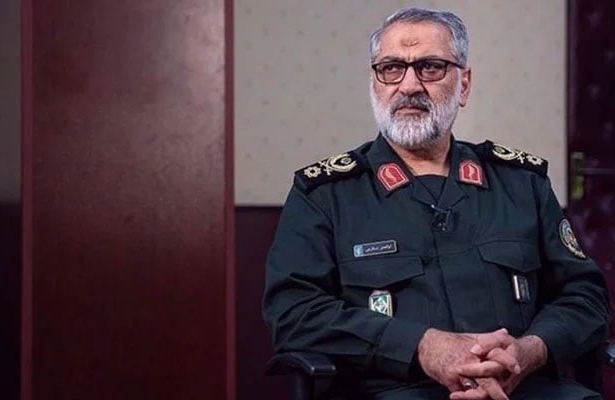

Iranian military and political leaders have issued strong statements signaling heightened tensions in the region, particularly concerning the strategic Strait of Hormuz. Brigadier General Abolfazl Shekarchi, spokesperson for Iran’s General Staff of the Armed Forces, declared that the vital waterway would remain closed to the United States and Israel under current circumstances. He emphasized that Iran’s broader strategy focuses on pushing American forces out of West Asia, reflecting Tehran’s long-standing opposition to U.S. military presence in the region.
Shekarchi framed this approach as part of Iran’s defensive and geopolitical priorities, suggesting that continued foreign military involvement threatens regional stability. His remarks come amid rising rhetoric and increased military alertness across the Gulf.
Meanwhile, Ebrahim Azizi, head of Iran’s parliamentary National Security Commission, made bold claims regarding recent confrontations. He stated that Iranian forces had successfully shot down five American fighter jets and helicopters. While these claims have not been independently verified, Azizi described the situation as a major setback for the United States.
Azizi further characterized the day as a “dark moment” for Washington, urging American leadership to confront what he called “ground realities.” He argued that the U.S. now faces limited options in the region, suggesting that withdrawal remains the most viable path forward.
These developments highlight escalating tensions between Iran and the United States, with both sides engaging in strong rhetoric. Analysts warn that such statements could further strain already fragile regional dynamics, especially given the strategic importance of the Strait of Hormuz for global energy supplies.