
Oil prices rise sharply and stock markets show signs of instability as uncertainty grows over the ceasefire in the Middle East. Iran re-imposes its effective closure of the Strait of Hormuz, although data from Kpler indicates that more than 20 vessels carrying oil, gas, metals and fertiliser pass through on Saturday, marking the busiest day at the choke point since March 1.
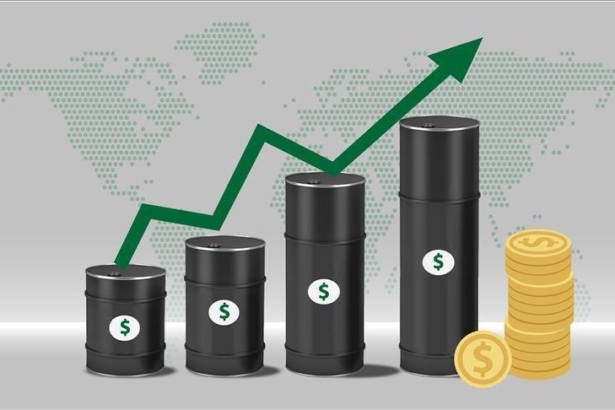
Brent crude futures climb around 6% to $96 per barrel in early Asian trading. The US dollar edges higher after falling sharply on Friday when the strait briefly reopens.
Futures linked to the S&P 500 decline by about 0.7%, a relatively modest drop after the index records a closing high in the previous session. Markets across the Asia-Pacific region remain mixed, with Australia’s S&P/ASX 200 falling 0.5% while Japan’s Nikkei rises 0.7%. Bond markets, which gain on Friday, pull back.
Damien Boey, portfolio strategist at Wilson Asset Management in Sydney, says the situation reflects renewed tensions but not a full escalation. “The headlines look bad; it looks like there’s disagreement … which has led to a little bit of re-escalation,” he says. “But I think, ultimately, both sides want to be able to do a deal – that’s part of the reason why the market’s optimistic and not selling off too much.”
Iran rejects new peace talks with the United States, according to its state news agency, hours after US President Donald Trump says he is sending envoys for discussions in Pakistan and warns of further strikes if Tehran does not accept US terms.
FOCUS ON HORMUZ
In currency markets, the euro slips 0.1% to $1.1735, while the Japanese yen weakens about 0.3% to 159 per dollar. The Australian and New Zealand dollars also edge lower.
Bond markets partially reverse earlier gains, with benchmark 10-year US Treasury yields rising to 4.276% after falling in the previous session. Investors had earlier sold fixed income assets anticipating that higher oil prices would drive inflation, though expectations ease slightly in recent weeks.
Paul Chew, head of research at Phillip Securities in Singapore, says markets still expect a resolution. “Our base case (AKA guess) is still resolution to the war. Trump is still focused on November midterm elections,” he says.
Wall Street indices reach record highs on Friday, supported by expectations of strong first-quarter earnings, with most results due in the coming days. China is expected to keep benchmark lending rates unchanged.
Upcoming economic data, including British inflation figures, US retail sales and European business activity indicators, are likely to influence sentiment. However, attention remains firmly on Gulf shipping activity.
Bob Savage, head of markets macro strategy at BNY, says a single measure is dominating investor focus. “The critical barometer of geopolitical risk has been distilled into one data point: The number of ships transiting the Strait of Hormuz,” he says. “Peace talks matter, but the immediate focus is on oil and other supply shortages driving inflation.”