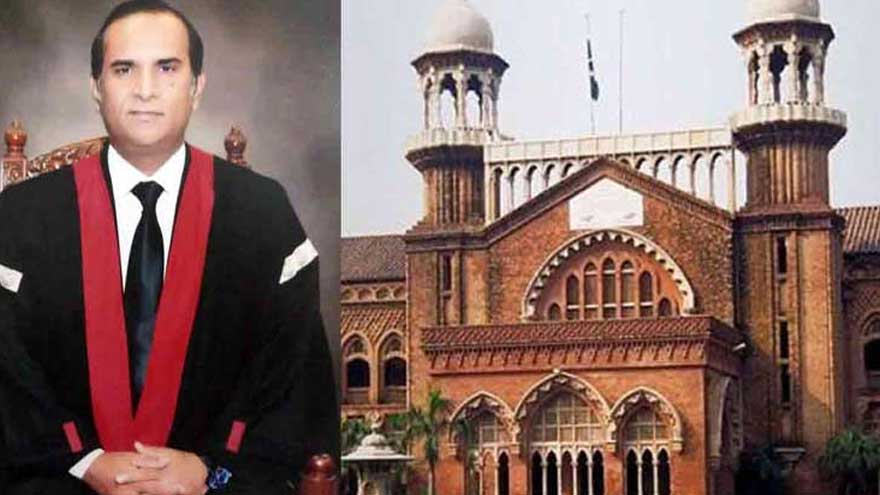

LAHORE: The Lahore High Court has established an important judicial precedent by endorsing the principle that criminal cases based on insufficient evidence should be disposed of at an early stage instead of being sent to full trial.
Justice Amjad Rafiq issued a nine-page written judgment on the petition of Muhammad Arshad, ruling that courts have the authority to discharge or acquit an accused at the initial stage if available evidence is insufficient.
The case against the accused was registered by Khanewal police under charges related to a physical altercation.
The court observed that weak cases not only place unnecessary burden on the judicial system but also result in wastage of state resources. It agreed with the prosecution’s assessment and held that courts may discharge an accused at the preliminary stage where evidence does not justify a full trial.
Justice Amjad Rafiq emphasized that the role of prosecution is not merely procedural but serves as an effective filtering mechanism to ensure only strong cases proceed to trial.
He further noted that police investigation and scrutiny of evidence are core responsibilities of the prosecution, which must strengthen its screening process to prevent weak or baseless cases from reaching courts.
The judgment added that if new evidence emerges later, cases may be reopened in accordance with legal requirements, subject to fresh material and due process.
In a related matter, the court also granted relief to a citizen in a character certificate issue, terming it an important legal aspect of the case.
The court set aside the orders of the magistrate and additional sessions judge and held that the petitioner has the right to file a fresh application in accordance with law.