
ISLAMABAD: A fresh proposal from a prominent Chinese policy expert has reignited discussions about the future of South Asia’s most important water-sharing agreement, with suggestions that China should become part of the decades-old Indus Waters Treaty to help strengthen regional water cooperation.
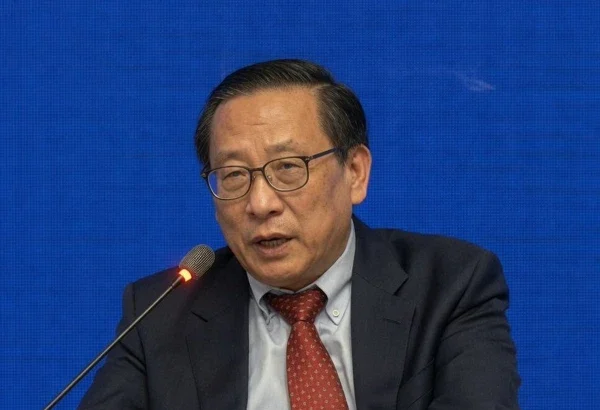
Speaking at a seminar in Islamabad, Victor Gao, president of the Center for China and Globalization (CCG), described the Indus Waters Treaty as a cornerstone of regional stability and international law. He stressed that the agreement must be protected and respected under all circumstances, while proposing a new trilateral framework involving China alongside Pakistan and India.
Gao’s remarks come at a time when water security is increasingly becoming a strategic issue across Asia. Referring to statements made by Indian Prime Minister Narendra Modi last year regarding water resources, Gao revealed that he had publicly opposed any suggestion of restricting water flows to Pakistan during interviews with Indian television networks.
According to Gao, threatening to cut off water supplies to millions of people is not only morally unacceptable but could also be viewed as a crime against humanity. He emphasized that even during times of conflict, preventing the flow of water to civilian populations is considered a serious violation of international norms.
Highlighting the geographical importance of the Indus River system, Gao noted that the river originates in the Himalayan region and supports millions of people across South Asia. He argued that no country should pursue actions against its neighbors that it would not be willing to tolerate itself.
The Chinese scholar further called for strict adherence to the treaty’s provisions, particularly those ensuring the uninterrupted flow of water through the Indus basin. He also pointed out that at least eight countries depend on rivers originating from the Tibetan Plateau, making cross-border water management an issue that extends far beyond South Asia.
To address future challenges, Gao proposed the development of a comprehensive international code of conduct for managing shared water resources. Such a framework, he suggested, should receive backing from the international community and organizations including the United Nations.
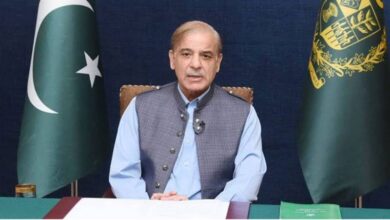
In a notable political observation, Gao expressed hope that if Shehbaz Sharif and Asim Munir continue efforts aimed at promoting regional peace and stability, they could emerge as strong contenders for the prestigious Nobel Peace Prize in the future.
The proposal has already sparked interest among policy circles, raising fresh questions about whether a broader regional approach could reshape the future of water diplomacy in Asia.