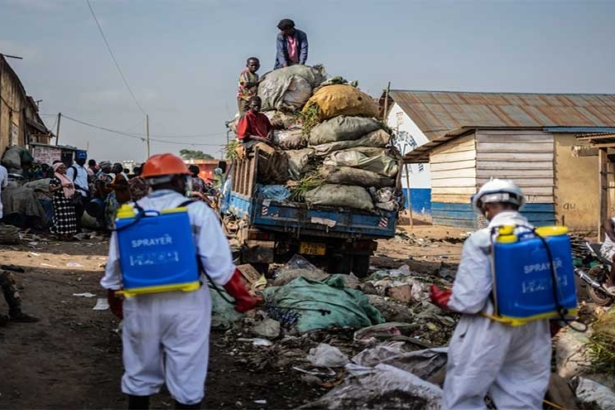

The Ebola outbreak in the Democratic Republic of Congo continues to worsen as the number of confirmed infections has crossed 2,000, making it the country’s fastest growing outbreak on record. According to the latest figures released by the Ministry of Health, the total number of confirmed cases has reached 2,011, while the death toll has risen to 754. Health officials say the situation remains critical as new infections continue to emerge across affected regions.
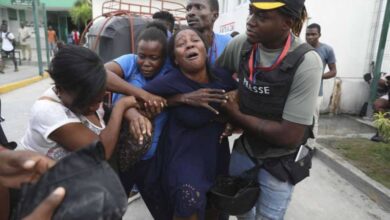
The growing crisis has been made even more difficult by a strike involving healthcare workers at Bunia General Hospital, the largest medical facility in the outbreak zone. Doctors, nurses and other frontline staff stopped work on Wednesday after claiming they had not received their salaries despite working under extremely challenging and dangerous conditions. Protesters blocked the hospital’s entrance, demanding immediate payment from the authorities.
The World Health Organization has warned that the outbreak is placing enormous pressure on healthcare workers. Since the beginning of the epidemic, more than 100 medical staff have been infected while treating patients. Their exposure highlights the risks faced by frontline workers who continue to battle the deadly virus with limited resources.
Congo has been dealing with this Ebola outbreak since May 15. The disease is caused by the rare Bundibugyo strain of the Ebola virus, for which there is currently no approved vaccine or specific treatment. This makes controlling the outbreak much more difficult than previous epidemics caused by the more common Zaire strain, which can be treated with available vaccines.
According to government data, 753 patients are currently being treated in hospitals or isolation centers, while 366 people have recovered from the disease. Despite these recoveries, health experts say the virus is spreading faster than response teams can contain it. The World Health Organization reported that nearly 80 percent of newly confirmed cases are linked to unknown chains of transmission, making it increasingly difficult to identify where infections are coming from and prevent further spread.
One of the biggest challenges facing health officials is the inability to identify the first person infected during this outbreak. Ongoing armed conflict in eastern Congo has forced large numbers of people to move between communities, while mining activities have also contributed to population movement. These conditions have made contact tracing extremely difficult because thousands of people who may have been exposed are hard to locate.
The Ministry of Health says authorities have successfully traced around 67 percent of people who came into contact with confirmed Ebola patients. However, officials admit that many potential contacts remain unaccounted for, increasing the risk of continued transmission across affected areas.