
Pacific Island foreign ministers are set to decide on Friday whether to issue a joint statement on China’s missile launch in July, with New Zealand pushing for a response but acknowledging divisions could prevent agreement, its foreign minister said.
China’s test-firing of a missile into the Pacific alarmed regional powers but failed to spur a unified response from Pacific Island governments, underscoring divisions over how to confront growing strategic competition in the region.
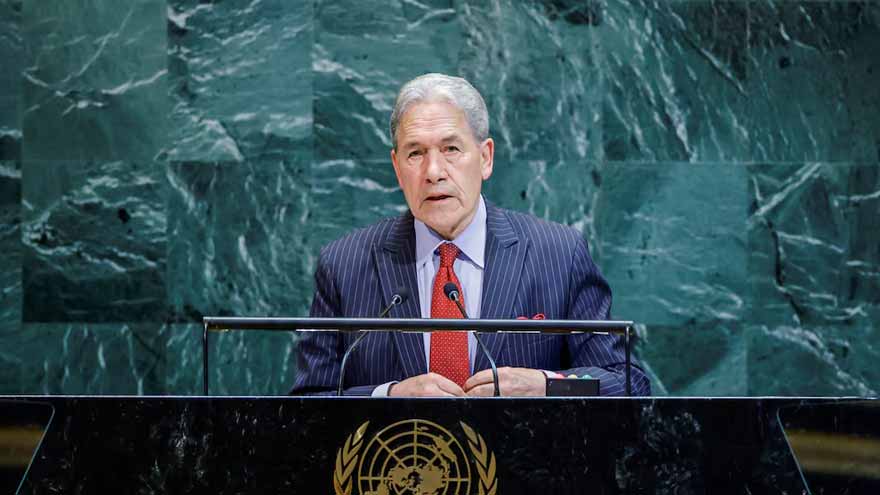
Talks at a meeting of the Pacific Islands Forum in Suva would test whether members could overcome “predetermined” positions on the issue, New Zealand’s Winston Peters told a press conference.
“We’ll see whether logic prevails in this debate, or whether the debate has already been settled by people having a predetermined position from which they will not move.”
Rick Houenipwela, the foreign minister of the Solomon Islands and chair of the forum, told the meeting that the Pacific’s agenda must continue to be “conceived by the Pacific, shaped by the Pacific and only by the Pacific”.
He added that officials, who have met for several days this week, have reinforced the growing interlinking of the challenges faced by the region.
Even as the strategic environment became more complex, Houenipwela added, the response should avoid fragmentation or division.
Instead, he said, “It should create regional solidarity, strong consensus, and continue confidence.”
Earlier Peters said New Zealand had been pushing for a joint statement in response to the missile test, but declined to say which countries resisted it.
Australia’s Foreign Minister Penny Wong told broadcaster ABC in an interview that while she expected the missile test to figure at the meeting she felt Forum members had already made very clear their views on it.
The debate comes after Pacific leaders backed an “Ocean of Peace” declaration last year for the region to maintain peace amid intensifying strategic competition.
Other topics expected to feature are external dialogue partners, energy security and proposals on future institutional arrangements.