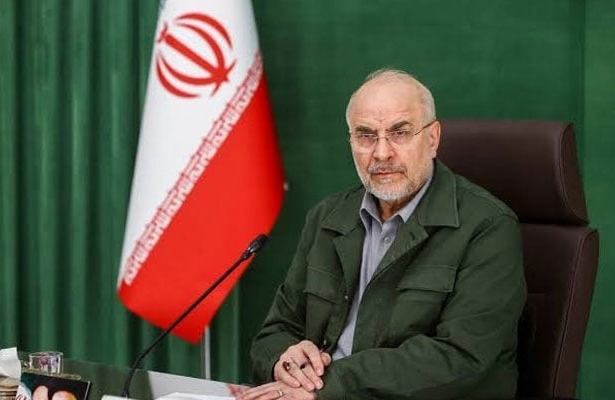

Iranian Parliament Speaker and the country’s chief negotiator, Mohammad Bagher Qalibaf, has accused U.S. President Donald Trump of engaging in what he described as “theater diplomacy,” saying Washington continues to send mixed signals by alternating between military threats and calls for negotiations.
In a statement posted on social media platform X, Qalibaf criticized Trump’s recent rhetoric, saying the U.S. administration repeatedly announces the possibility of major military action before stepping back and expressing interest in diplomatic talks.
“First they say a major attack is coming, then they say they want negotiations. This cycle of theater diplomacy continues,” Qalibaf wrote.
He argued that Washington keeps shifting its position between military pressure and diplomatic engagement, creating uncertainty rather than building trust. According to Qalibaf, the repeated use of threats, broken promises, and what he called “false narratives” has failed to pressure Iran into changing its stance.
“The strategy of intimidation has not worked,” he said. “It is time to accept the realities, honor commitments, and replace political theater with serious and responsible diplomacy.”
Qalibaf’s remarks came after President Trump claimed that he had canceled plans for a large-scale military strike against Iran. Trump said Iran and several countries in the region had urged the United States to avoid military action, adding that diplomatic progress was within reach.
The U.S. president also claimed that ongoing negotiations could lead to a temporary agreement involving the United States, Iran, and Oman. He said such a deal would reopen the Strait of Hormuz without delay and eliminate what he described as the Iranian nuclear threat.
The exchange highlights the sharp differences between Tehran and Washington as both sides continue to send conflicting messages about diplomacy and the possibility of easing tensions in the region. While U.S. officials speak of negotiations and a potential agreement, Iranian leaders remain skeptical, arguing that meaningful progress will require the United States to move beyond threats and fulfill its commitments.