
GENEVA: Global growth is on course to ease to 2.6% this year, a UN agency said, blaming soaring energy costs from the war in the Middle East.
In its Trade and Development Report 2026, released on Friday, UN Trade and Development compared that figure with expansion of 2.9% in 2025. For 2027, the agency, known as UNCTAD, sees a small recovery to 2.7%. Developing nations face a sharper slowdown, with their combined growth falling to 4% from 4.7%, as new barriers in technology and policy hold them back.
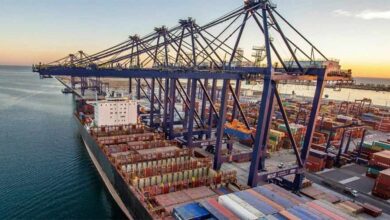
Last year, cross-border sales of goods and services hit a record $35 trillion. This year, that total should rise by another 4%, although pricier energy explains much of the increase, the report said.
Where global growth comes from
Asian economies will account for 59% of all global growth in 2026. Among them, India leads with a forecast of 7.3%, ahead of Indonesia at 5.2% and China at 4.5%.
For the US, UNCTAD projects expansion of 2.1% in 2026, easing to 1.8% a year later. Spending on artificial intelligence and a solid labour market keep demand going there. Even so, persistent inflation continues to erode real pay. Western Europe, meanwhile, remains held back by weak investment, splintered trade and swinging energy prices. South Korea and Japan, on the other hand, gain from heavy demand for chips and electronics.
Since 2024, commerce between the US and China has shrunk by over a fifth. East Asia, by contrast, has deepened its trade with both China and North America. According to the agency, export controls, investment screening and supply chain rules now make it harder for newcomers to break into strategic industries.
Developing world falls behind
Pedro Manuel Moreno, the acting secretary-general of UNCTAD, said the world economy had held up better than expected. Beneath that resilience, however, the gap between rich and poor countries is widening, he added.
In his words, outside a small group of fast-growing Asian economies, “the developing world is no longer catching up with advanced economies.” As governments put strategy and national security first, he argued, manufacturing and links to global supply chains offer less certain routes to prosperity.
Wealthy nations now attract about 70% of fresh investment in chips, AI and green technology. Poorer countries hold the lead in critical minerals, yet they find it hard to turn them into higher-value products. Moreno also pointed to unstable portfolio flows and a third year in a row of shrinking development aid.
The agency warned that the AI boom poses risks to financial stability, because markets now depend on a few companies, which it did not name. Trade linked to AI, it added, will not by itself bring wider development.
How other forecasts compare
Back in June, the World Bank lowered its own outlook for global growth to 2.5%, citing the Middle East war. Under its gloomiest scenario, growth would drop to 1.3%. The International Monetary Fund has pencilled in a slightly stronger 3%. Still, the fund has named the Iran war, splintering trade and a possible AI correction as dangers to watch.