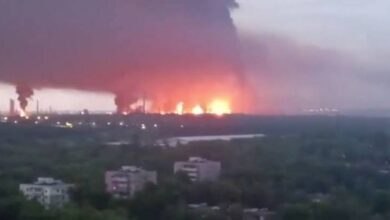


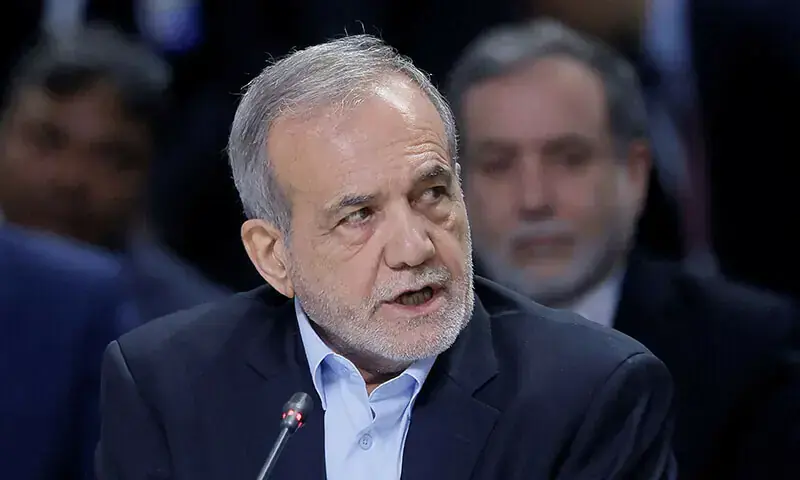

YEREVAN: Iranian President Masoud Pezeshkian has accused wars across the Middle East of causing “ecocide”, urging the international community to condemn the environmental destruction linked to the conflicts, as US President Donald Trump ruled out using nuclear weapons against Iran while warning of possible further strikes on its nuclear facilities.
The developments came as tensions continued to grip the region, with Tehran insisting that the Strait of Hormuz would remain closed until Iran’s rights were respected and reports raising concerns about dwindling US missile defence stockpiles.
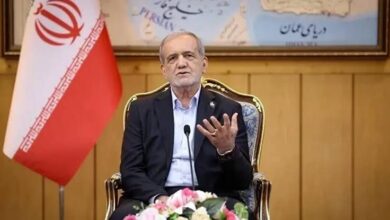
Addressing a nature summit in Armenia attended by United Nations Secretary-General Antonio Guterres, Pezeshkian said the wars in Gaza and the wider Middle East had inflicted environmental damage that extended beyond national borders and required a coordinated international response.
“What has occurred in our region as a result of wars of aggression is ecocide, or environmental genocide, and it must be condemned,” he said on Friday.
His remarks added an environmental dimension to the growing debate over the consequences of military operations across the region.
Trump rules out nuclear weapons
Trump, meanwhile, dismissed suggestions that Washington might use nuclear weapons against Iran, saying the United States had no need to resort to them.
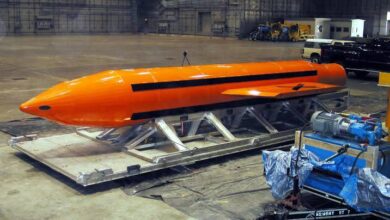
In an interview with Newsmax on Thursday, Trump clarified that the GBU-43/B Massive Ordnance Air Blast bomb, commonly known as the “mother of all bombs”, was a conventional weapon rather than a nuclear device.
“No, I wouldn’t use nuclear. We don’t have to,” he said.
However, Trump indicated that further military action against Iranian nuclear facilities remained possible, specifically mentioning Pickaxe Mountain, a suspected underground site.
He suggested the United States could strike the location but said he did not envisage deploying American ground troops for such an operation.
Trump also predicted that the war would end soon, claiming that Tehran was negotiating with Washington and had asked for a halt to American and Israeli military operations. He offered no independent evidence in the cited remarks to substantiate those claims.
The US president said an end to the conflict would likely cause oil and petrol prices to fall sharply.
Iran warns Strait of Hormuz will remain closed
Iranian Army Chief Major General Amir Hatami said the Strait of Hormuz would remain closed until the rights of the Iranian people were respected, according to Iran’s state news agency IRNA.

Speaking at a military ceremony in Tehran on Thursday, Hatami said Iran’s adversaries had underestimated the country’s military capabilities before the conflict began.
He said the Iranian Army and the Islamic Revolutionary Guard Corps had responded with force from the opening hours of the war.
The strategic waterway is a crucial route for global oil and gas shipments, making its status a major concern for energy markets and international trade.
Report raises concerns over US missile stocks
Separately, a CBS News report said former US Army Chief of Staff General Randy George had warned in December that American missile defence inventories were critically low and could take until 2030 to recover.
The reported assessment identified shortages of Terminal High Altitude Area Defence (THAAD) interceptors and Patriot missiles, with supplies strained by support for Ukraine, assistance to Israel and limited production capacity.
Estimates cited by the report suggested US forces entered 2026 with approximately 2,300 Patriot interceptors and used between 1,050 and 1,430 during the conflict. Of an estimated pre-war inventory of 355 THAAD interceptors, between 190 and 290 were reportedly expended.
The report said replenishment could take years, with new THAAD contracts requiring more than four years and Patriot PAC-3 orders averaging around three and a half years.
The Pentagon rejected claims that the United States faced a shortage of munitions. Chief spokesman Sean Parnell said Washington retained the capabilities needed to conduct strikes whenever and wherever the president chose.
Together, the developments underscore the widening consequences of the conflict, from environmental damage and threats to energy supplies to questions over military readiness and the prospects for a negotiated end to the war.