

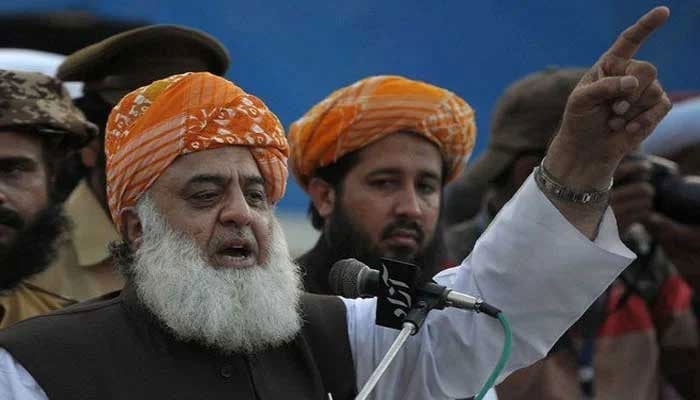

The war of words triggered in the past week between Maulana Fazlur Rehman and Pakistan’s ministers of defence and interior unleashed another visible drama at the centre of the country’s politics. But eventually, this episode too promises to go down in history as another hollow ring.
In time, the occasion will become a powerful reminder of a representative structure that remains detached from Pakistan’s compelling realities, with most of the country’s population facing fast-mounting challenges elsewhere. With the lives of Pakistan’s vast community of the disfranchised continuing without hope for the foreseeable future, the political elite remaining locked in this latest crossfire keeps them detached from the grassroots.
Against this backdrop, it would have been far more meaningful for members of the ruling structure and their political foes to lock horns and debate matters that have increasingly triggered the multiple crises facing the people of Pakistan. Maulana Fazlur Rehman’s initial trigger came with language mainstream parents would prefer not to teach their children at home. With much that Maulana Fazlur Rehman needs to be accounted for from his own past, taking the moral high ground in the name of protecting Pakistan’s democracy was just not his choice. His opponents from Pakistan’s ruling structure, with equally chequered histories, quickly found ammunition to respond in kind and more.
The ongoing circus at the centre of Pakistan’s highest political landscape comes at a deeply inopportune moment for the country’s present and future. It follows the recently reported hike in inflation fuelled by mounting fuel and food prices, which last week compelled the State Bank of Pakistan to raise its interest rates by 0.5% to 12%.
The central bank’s choice was a powerful reminder that Pakistan’s mainstream population is bearing the brunt of worsening times. The fallout from that trend has already hit hard the average household budgets, including large parts of the middle class once considered relatively immune from previous episodes of a slumping economy.
Pakistan’s political turmoil, unleashed in recent times over controversy surrounding the conduct of the 2024 election, of course remains unending. And reversing that turmoil requires undoing all that has fuelled the rot. In this journey, the federal government’s recent decision to impose a state of emergency in Khyber Pakhtunkhwa has only added fuel to the proverbial fire that represents Pakistan’s politics today. Without resolving Pakistan’s fast-growing political discord, the country will not achieve the peace needed to recover other essential areas, notably the economy.
While Pakistan’s internal discord continues, the government and the opposition must cope with two equally essential challenges. First, the economic challenges confronting Pakistan today include alarming issues at the centre of the country’s survival. These include galloping inflation and risks tied to worsening climate change, deepening the malaise of a visibly moribund economy. For now, these challenges have kept investors – foreign and domestic – averse to becoming exposed to investing in Pakistan, notably for the long haul. This mood represents a formidable departure from eras like the 1960s when Pakistan was considered a destination of choice for investors.
The prevailing mood among investors has also been fuelled by other factors, notably the shrinking pool of well-trained labourers to meet the needs of businesses and industries. This is the tragic outcome of previous decades, spent with Pakistan’s educational system becoming increasingly neglected, barring a few notable institutions. Though successive governments have relentlessly pursued Pakistan’s labour export and the resulting inflow of foreign remittances, they have largely ignored the downside risk in this journey. That failure is not to build a pool of well-trained labourers to meet the needs of economic growth in new ventures at home.
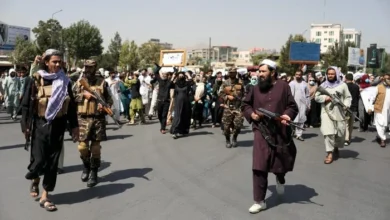
Second, Pakistan’s domestic insecurity today continues on many fronts. These are not all just the threats from the Taliban operating from Afghanistan. Though the threat of the Taliban onslaught must never be overlooked, insecurity elsewhere cannot be ignored either. From large, thriving urban centres to every corner of Pakistan’s rural areas, insecurity is visibly growing and needs urgent attention. Even the ongoing debate over the creation of many more provinces has failed to address a fundamental question. How will such reform address the gaps in security, beyond arming the visible political elite with authority at the grassroots? That remains an unanswered question.
Besides, there is no reconciliation yet with visibly failed past reforms, notably the dismantling of the civil service at the grassroots in the name of devolution, as pursued under the rule of the late president Gen Pervez Musharraf.
Beyond the ongoing political discord, much remains to be addressed to create a new Pakistan, not just the outcome of the ongoing infighting.