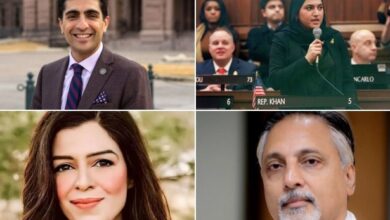


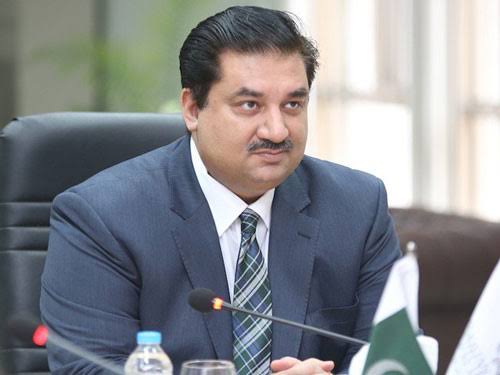

ISLAMABAD: Former Federal Minister Khurram Dastgir Khan has stressed the need for Pakistan to diversify its energy sources and strengthen engagement along its western borders, warning that changing global dynamics and growing geopolitical tensions pose serious challenges to the country’s economic and strategic interests.
He was speaking at a session titled “Shifting Geopolitics: Risks, Resilience and Prosperity” on the third day of the 29th Sustainable Development Conference, organized by the Sustainable Development Policy Institute (SDPI) in Islamabad on Wednesday.
Dastgir Khan said the United States’ retreat from its traditional global leadership role was among the most significant developments reshaping the international order. He cautioned that the longstanding guarantee of freedom of navigation, essential for international maritime trade, was increasingly under threat.
“Today it is the Strait of Hormuz; tomorrow it could be the Bab el-Mandeb, followed by the Suez or even the Panama Canal,” he said, highlighting the potential consequences of disruptions to major global shipping routes.
He also observed that a change in US leadership could significantly influence Washington’s policy towards Islamabad, emphasizing the importance of strategic preparedness and economic resilience.
SDPI Executive Director Dr Abid Qaiyum Suleri discussed the changing geopolitical environment following the US-Israel-Iran conflict, highlighting Pakistan’s vulnerable position and the need for a carefully planned response to emerging regional challenges.
Chairman of the Pakistan Regional Economic Forum (PREF), Haroon Sharif, said global power dynamics and the use of force by states were undergoing significant changes. He noted that persistent economic uncertainty and rising macroeconomic risks had adversely affected the international investment climate.
Sharif warned that any major escalation in the ongoing US-Iran conflict could further increase trade risks and raise export-related costs for Pakistan.
Former Pakistan Ambassador to Iran Riffat Masood said the region had experienced decades of conflict and developed mechanisms to cope with instability. However, she pointed out that Pakistan had overlooked the importance of its western borders, particularly those adjoining Iran and Afghanistan.
Maj-Gen. (Retd) Dr Ehsan Mehmood Khan said the international order had historically remained in a state of transition. He observed that warfare had also contributed to the development of war economies, which continued to influence the political and economic interests of major global powers.