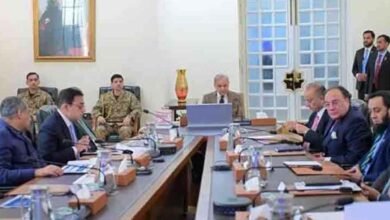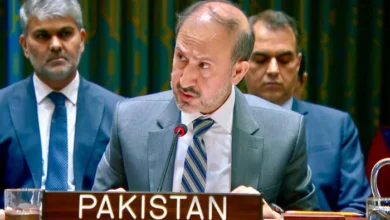


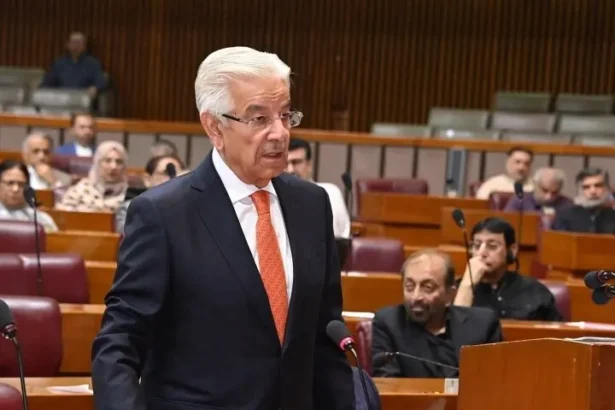

ISLAMABAD: Pakistan, Saudi Arabia and Turkiye are set to discuss the escalating conflict between Saudi Arabia and Yemen’s Houthi fighters during a meeting of their mutual defence pact in Islamabad on Thursday, Defence Minister Khawaja Asif has said.
Speaking to AFP, Asif confirmed that defence and foreign ministers from the three countries would participate in the meeting. He described the continuing instability along Saudi Arabia’s southern border as an important item on the agenda.
The defence minister said the security situation in Yemen remained a major concern for the region, particularly because Houthi fighters had repeatedly targeted Saudi cities, oil facilities and shipping routes as fighting in Yemen’s civil war intensified in July.
Asif stressed that the agreement established a shared security commitment among the three countries. He said any threat to Saudi Arabia would also be considered a threat to Pakistan and Turkiye under the pact.
He also praised Riyadh’s handling of the conflict, noting that the Houthis control large parts of Yemen, including the capital, Sanaa.
Pakistan, Saudi Arabia and Turkiye signed the mutual defence agreement in August, pledging to support one another in the event of an attack. However, Asif described the arrangement as being at an early stage, saying regular consultations were necessary to develop its framework and operational mechanisms.
He said frequent meetings would help the participating countries finalise the arrangements over the coming months and establish a clear direction for future cooperation.
Asif also expressed concern over the possibility of further regional aggression, identifying Israel as a potential source of threats to countries in the region. He called for greater coordination among regional states to strengthen their collective security.
The meeting comes amid wider diplomatic efforts to contain tensions in the Middle East. Pakistan previously brokered a June agreement that temporarily halted fighting between the United States and Iran and provided a framework for further negotiations.
The proposed roadmap included discussions on reopening the strategically important Strait of Hormuz and addressing concerns surrounding Iran’s nuclear programme. However, the ceasefire later collapsed as Washington and Tehran accused each other of violating its terms.
Pakistan and Qatar have since continued diplomatic efforts to revive the truce. Asif described Islamabad’s role in facilitating communication between the two sides as constructive but cautioned that the outcome remained uncertain.
He said the mediation process was still fragile and that lasting peace had yet to be firmly established.