


ISLAMABAD: Pakistan has reaffirmed its commitment to strengthening cooperation with the International Atomic Energy Agency (IAEA) and international partners to promote sustainable nuclear security and address emerging global challenges.
The Foreign Office (FO) made the announcement on Friday following the conclusion of the 15th annual meeting of the International Network for Nuclear Security Training and Support Centres (NSSC Network) in Islamabad.
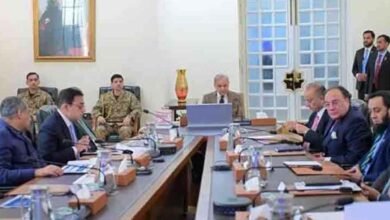
Hosted by Pakistan in collaboration with the IAEA, the four-day meeting took place from November 23 to 26. It brought together international delegates and nuclear security experts to discuss training, institutional capacity building and ways to enhance international cooperation.
A special ceremony was held at the headquarters of the Pakistan Nuclear Regulatory Authority (PNRA) to mark 20 years of cooperation between Pakistan and the IAEA in the field of nuclear security. The event also featured an exhibition showcasing locally developed nuclear security technologies produced by Pakistan’s national industry.
As part of the programme, international delegates visited the Pakistan Institute of Engineering and Applied Sciences (PIEAS). They were briefed on Pakistan’s expertise and capabilities in nuclear engineering, scientific research, education and professional training.
The meeting featured technical sessions, expert discussions and presentations focusing on emerging nuclear security threats, institutional sustainability and human resource development. Participants also explored future priorities for international cooperation and ways to strengthen nuclear security training facilities.
Addressing the concluding session, the chairman of the Pakistan Atomic Energy Commission (PAEC) highlighted the importance of continued international engagement in maintaining and strengthening nuclear security.
The IAEA’s head of the Nuclear Security Division’s relevant unit appreciated Pakistan’s role in hosting the meeting. He described the gathering as an important milestone in advancing international cooperation in nuclear security.
The Foreign Office said the meeting provided participating countries with an opportunity to exchange technical expertise, improve national capabilities and establish priorities for future collaboration.
Pakistan previously hosted the NSSC Network’s annual meeting in 2016. Its return to Islamabad after a decade highlighted the country’s continued engagement with the IAEA and its contribution to international nuclear security initiatives.
In a video message at the opening session on Monday, IAEA Director General Rafael Mariano Grossi thanked Pakistan for hosting the gathering. He also highlighted the network’s importance in translating international nuclear security principles into practical measures.
The development comes amid Pakistan’s growing emphasis on safeguards against emerging technological threats to nuclear security.
A day before the meeting concluded, Pakistan called for maintaining human control over decisions involving the use of nuclear weapons. It also warned against allowing artificial intelligence (AI) systems to target nuclear command, control and communications infrastructure.
Speaking during an open debate at the United Nations Security Council, Pakistan’s Permanent Representative to the UN, Ambassador Syed Haider Shah, said emerging technologies were creating new challenges for international security.
He stressed the need for effective safeguards, regulatory frameworks and confidence-building measures to prevent miscalculations and reduce the risk of escalation.