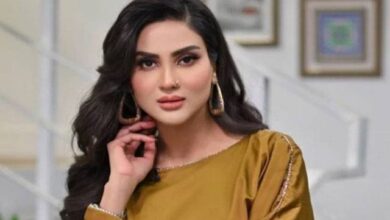
Privilege is an interesting word — it draws lines between people and is often a cause for alienation. While everyone’s experiences are valid and important, it is impossible to forget the massive role privilege plays when it comes to the way you experience things. And as a white woman married to a celebrity in Pakistan, Shaniera Akram is indeed privileged.
But that doesn’t mean her opinion and experiences should be dismissed, especially given that she’s not someone who has lived strictly in a bubble during her time in Pakistan. There are many people who live in Pakistan and not all of them are Pakistanis. Their experience should matter, but not be used as a benchmark.
Since there’s a lot to unpack in what’s been said so far, we’re going to do it in two parts:
What does it mean to feel safe?
Recently, after the New Zealand cricket team bailed on their tour of Pakistan at the last minute, citing security concerns, many foreigners who have visited or lived in Pakistan took to Twitter to highlight how they’ve always felt safe in the country. Shaniera echoed this sentiment on Twitter. “There is no place in the world I feel more safe than in Pakistan,” she wrote.
But many people took issue with her tweet. Several criticised her for not acknowledging how unsafe the country is for the majority of its citizens, especially women who face an alarmingly high prevalence of violence.
Despite the criticism, Shaniera said she “stand[s] by her words”. “In terms of national security, I do feel completely safe in Pakistan,” she tweeted. “I know where we have come from and I have seen how hard we have worked to promote a peaceful nation, and it’s a safe feeling when you’re with 200 million people who all want the same thing — peace!”
While we’re glad that Shaniera feels safe in Pakistan, we can all agree (including Shaniera) that this sense of safety does stem from being in a position of privilege. In a country like Pakistan, being white and being married to a public figure can make all the difference between safety and danger. Shaniera may not have lorded these privileges over anyone, but they are hard to underplay in Pakistan because they afford an individual class-based protection.
Yes, Shaniera never said she was speaking on behalf of all Pakistanis, especially women, but at the same time she has to be cognisant of the fact, having spent a decade in this country, that such blanket statements are often quoted to other women as an example of “look at how safe Pakistan is”.
(We’re still sniggering at how Kate Middleton came to Pakistan and wore shalwar kameez and all women in Pakistan heard was ‘if she can, why can’t you?’ But we digress.)
Also, what is safe? Not expecting a bomb to go off when you go the park with your kids? Not having to worry about your valuables being stolen at gun point when you stop to buy fruits from a vendor on the street? Not having to strategise how you sit or stand in public transport so that no one gropes you? Not having the fear of your character assailed if you speak up against societal norms?
If Shaniera doesn’t worry about any of the above, then we’re genuinely glad for her but we hope she understands why those who do took an issue with her tweet.