
A committee formed by the prime minister has urged immediate reforms to improve the ease of doing business and restructure Pakistan’s tariff and energy pricing systems. The panel said these steps are essential to raise exports beyond $60 billion within three years.
The body is headed by Planning Minister Ahsan Iqbal. It was tasked with preparing a strategy to prevent Pakistan from entering another International Monetary Fund programme after the current $8.4 billion arrangement ends in 2027.
After week-long consultations with public and private sector stakeholders earlier this month, the panel concluded that the current economic structure cannot support sustainable growth. It noted that deep-rooted constraints affect all 20 priority export products and key export drivers.
The committee said many of these problems are already known. However, weak implementation and inconsistent policies have blocked long-term progress. It added that economic stabilisation efforts have failed to translate into durable growth.
High and unpredictable energy costs were identified as a major challenge. The panel recommended reducing electricity and gas prices through debt refinancing and rationalising tariff structures. It said Pakistan’s energy tariffs remain higher than regional competitors and change frequently.
Such volatility, the panel warned, raises production costs. It reduces profit margins. It also shifts export orders to competing countries across manufacturing, agriculture, minerals and services.
The report said the cost of doing business remains structurally high. It blamed fragmented taxation, inverted tariffs on inputs, advance income tax deductions and delayed sales tax refunds. These issues create serious working-capital pressures, especially for exporters and small and medium enterprises.
Policy uncertainty was highlighted as another major concern. The panel said frequent changes in tax laws, energy pricing, trade duties and export incentives weaken investor and buyer confidence. Late policy announcements disrupt planning and discourage capacity expansion.
Institutional weaknesses were also cited. Different definitions of SMEs across government bodies limit access to finance and support schemes. Overlapping mandates, excessive audits and weak coordination increase compliance costs and uncertainty.
The panel also pointed to weak domestic quality testing and certification systems. Exporters are often forced to rely on foreign laboratories. This raises costs, delays shipments and increases the risk of rejection in regulated markets.
Limited access to affordable finance was described as a key barrier to value addition. The committee said export credit, insurance and long-term financing tools remain underdeveloped. High interest rates and strict collateral requirements restrict investment by smaller firms.
Problems in export facilitation schemes were also noted. Procedural delays and higher input costs reduce the effectiveness of these initiatives. Working-capital pressures further limit the sourcing of raw materials.
Logistics and trade facilitation challenges remain widespread. These include high inland transport costs, underused railways, port congestion and slow customs clearance. Inadequate cold-chain, courier and postal services also affect exporters.
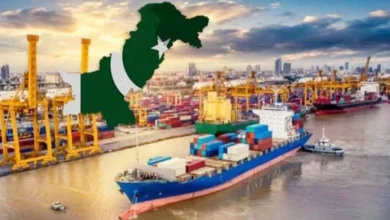
At Port Qasim, the panel highlighted the lack of dedicated export terminals. It said limited handling facilities, insufficient covered storage and weak evacuation systems increase delays and costs.
Skills gaps, low value addition and weak branding were identified as barriers to entering higher-value export segments.
The Planning Commission is now gathering more data through a private-sector survey. The aim is to develop a sector-specific and evidence-based export roadmap under the Uraan Pakistan strategy.
Planning Minister Ahsan Iqbal said Pakistan’s economic future depends on rapid export growth. He said stronger exports are key to building foreign exchange reserves and ending repeated dependence on IMF support.