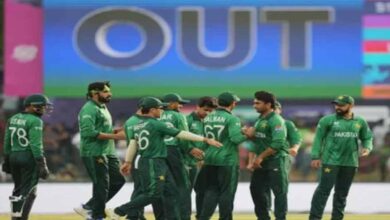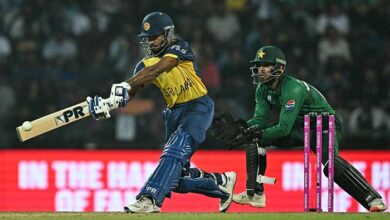
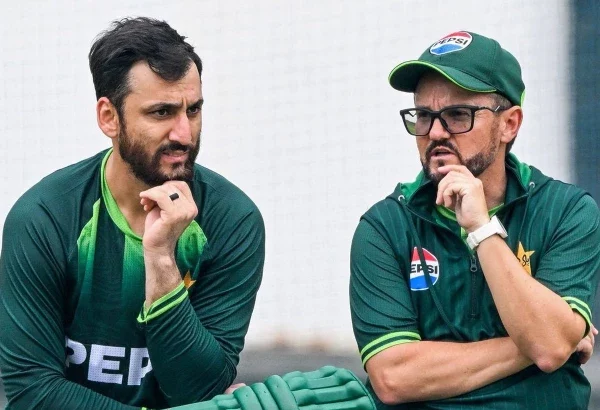

The early exit of Pakistan from the T20 World Cup 2026 has set off a firestorm of criticism, and much of it seems to be directed towards former coach Mike Hesson, who apparently did not just make decisions but overstepped boundaries, influencing the skipper and selectors to make decisions that impacted the outcome of matches.
Despite the PCB imposing a fine of PKR 5 million each on the players, it seems that the decisions of former New Zealand coach Mike Hesson, who apparently overstepped boundaries, impacted the outcome of the tournament, where Pakistan failed to progress beyond the Super Eight stage.
Hesson apparently pushed hard for the inclusion of Babar Azam, who he believed would prove to be a gem, as he had performed well in the Asia Cup, revealing a fragile middle order of Pakistan. Babar, however, failed to deliver, validating the critics’ concerns.
Other decisions that apparently impacted the outcome of the tournament include the decision to leave out Fakhar Zaman in favor of Saem Ayub, while Salman Ali Agha was pushed to the third batting slot, a decision that apparently did not pay off.
Hesson and bowling coach Ashley Noffke apparently influenced decisions regarding bowling changes, including the delay in Usman Tariq’s over against India, while Abrar Ahmed was apparently pushed to bat to preserve Shadab Khan’s role in the team.
Against England, Usman Tariq scored on the first ball of the over bowled to him. But Hesson was overheard instructing the captain to give the next over to Saim Ayub. This decision has left many scratching their heads. There are also reports of senior players getting frustrated over lack of communication regarding team changes.
While the PCB has gathered extensive information on Hesson’s performance, he will lead the team on the Bangladesh tour. However, his future remains uncertain. This exit from the World Cup has left many wondering if there is a need to reassess the current situation regarding the authority of the coach and the captain.
It seems the issue has sparked a debate on whether the coach should have greater say in matters away from the field rather than on the field.