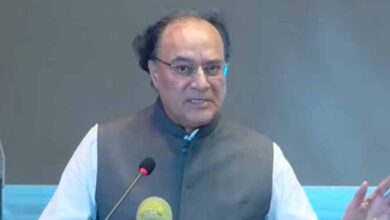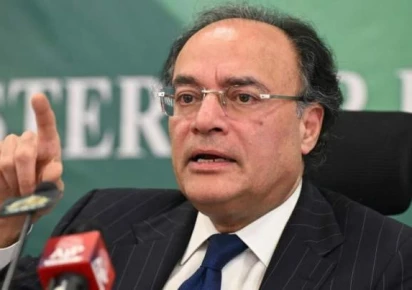

Pakistan’s Finance Minister, Senator Muhammad Aurangzeb, on Wednesday announced new measures to conserve fuel in response to global supply disruptions caused by the closure of the Strait of Hormuz.
Aurangzeb assured that Pakistan has enough fuel stocks to meet domestic demand for the month of March. The country also maintains crude oil reserves equivalent to 10 days of supply. LPG stocks cover about 15 days of consumption. The minister stressed that there is no immediate need for rationing.
“Energy conservation measures are necessary to manage demand efficiently,” he told the Senate Standing Committee on Finance. He emphasized that these steps are aimed at curbing consumption without causing public inconvenience.
Officials indicated that proposed measures could include closing higher education institutions and moving to remote learning to save fuel. Another potential step under review is shifting petrol and diesel pricing from a fortnightly to a weekly basis. The final decisions are expected after further deliberations by the committee. Prime Minister Shehbaz Sharif is expected to approve the measures later this week.
Aurangzeb added that the Petrol Monitoring Committee has been given authority to make real-time decisions as the situation develops. He noted that daily assessments of fuel availability are being conducted to ensure smooth distribution.
The Finance Ministry confirmed that Pakistan currently holds roughly 28 days of petrol and diesel stocks. Crude oil reserves are sufficient for 10 days, while LPG supplies cover 15 days. Officials are closely monitoring LNG cargoes from Qatar, which have been delayed.
The committee also reviewed efforts to secure fuel from friendly countries. Requests have been made to Saudi Arabia to supply crude via alternate channels if the Strait of Hormuz remains blocked. Plans are also being explored to diversify fuel imports through regional ports, including the Red Sea and Gulf hubs, to maintain uninterrupted refinery operations.
The ministry stressed that preventing hoarding, smuggling, or diversion of fuel is critical, especially during periods of global energy uncertainty. Officials said that careful energy use and conservation at all levels will strengthen national preparedness.
In addition to fuel issues, the Senate committee passed amendments to the SECP Act. The changes reduce private members on the SECP board from six to four and increase government representation from five to seven. Senator Anusha Rahman cited past abuses of power within the SECP, including irregular salary increases for commissioners. Aurangzeb argued that such misconduct should not compromise the institution’s autonomy.