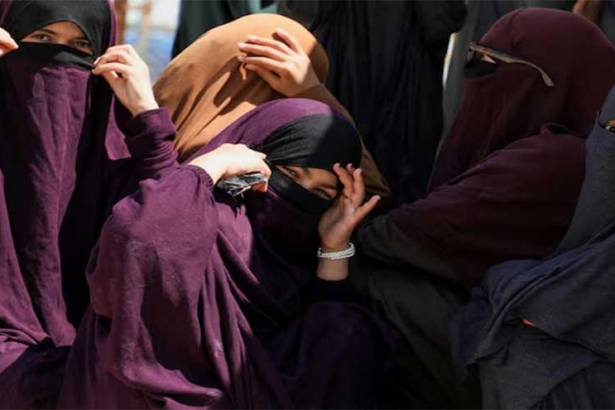

A group of Australian women and children with alleged links to the extremist organisation Islamic State have begun returning to Australia after years of detention in camps in northeast Syria, according to media reports.
The group includes four women and nine children who were previously held in displacement camps following the territorial defeat of Islamic State in 2019. Their return comes as part of ongoing repatriation efforts for foreign nationals linked to the group.
Reports suggest that some members of the group have already departed from transit points such as Doha, with arrivals expected in major Australian cities including Sydney and Melbourne.
The Australian government confirmed that the individuals would not receive direct government assistance during their return process. However, authorities said that the children will be placed under reintegration and support programmes upon arrival.
Law enforcement agencies have indicated that some returning individuals could face arrest, charges, or continued investigation depending on their alleged roles and activities in conflict zones. Others may remain under monitoring while assessments continue.
The group originally travelled to Syria between 2012 and 2016, during the height of Islamic State’s territorial control, often accompanying family members who were reportedly affiliated with the group.
After IS lost control of its territory, many of its associates and relatives were held in camps such as al-Hol, where thousands of foreign nationals have remained in difficult humanitarian conditions for years.
Security officials in Australia have maintained a cautious approach, balancing legal proceedings with child welfare considerations, particularly for minors who have spent most of their lives in conflict environments.
The repatriation reflects a broader international challenge of dealing with displaced families linked to extremist organisations, as countries continue to assess security risks, legal accountability, and humanitarian obligations.