
Health officials are on alert after suspected cases of a rare illness called hantavirus appeared in two very different and far-away places Spain and a small remote island called Tristan da Cunha. Even though the number of cases is very low, the situation has caught attention because of how far apart they are.
In Spain, a woman was taken to hospital after showing symptoms that doctors believe could be linked to hantavirus. She is now in isolation while medical tests are being done to confirm her condition. Doctors say she may have had very limited contact with a person linked to a cruise ship that is being investigated for earlier infections.
At the same time, another suspected case has been reported on Tristan da Cunha, one of the most isolated islands in the world. Very few people live there, and it is located far away in the South Atlantic Ocean. Because medical facilities on the island are limited, even a small health issue is taken very seriously.
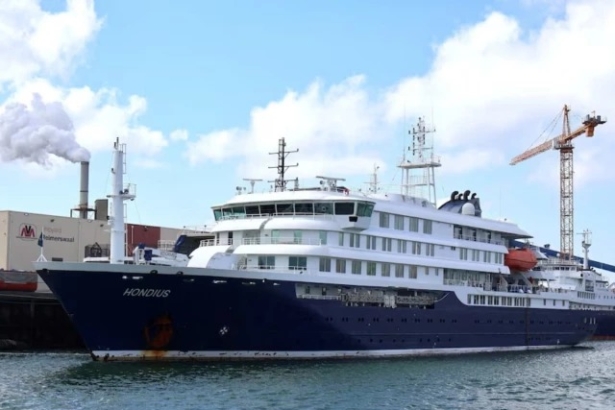
Health experts think both cases may be connected to the same cruise ship that traveled through different regions. They are now trying to understand how a virus could move from one place to another through international travel and remote locations.
Hantavirus is a rare disease that is usually spread through contact with infected rodents or their droppings. It can cause serious health problems, especially affecting breathing in severe cases. However, it does not usually spread easily from one person to another, which is why doctors are carefully studying these suspected cases.
Even though the situation is still under control, the fact that possible infections have appeared in two far-away places has made health teams more careful. It shows how quickly health problems can travel in today’s connected world.
In Spain, doctors are keeping the patient under close watch and running more tests. They are also checking anyone who may have come in contact with her, just to be safe and prevent any possible spread.
On Tristan da Cunha, local officials are taking extra steps to protect the small population. Because the island is so remote, preventing any outbreak is extremely important, as medical help is not easily available.
So far, experts say the risk to the public remains low. But investigations are still going on to understand the full picture and make sure no further cases appear.
This unusual situation has made health authorities across different countries work together more closely. They are tracking movements, checking possible links, and trying to stop any further spread before it becomes a bigger problem.