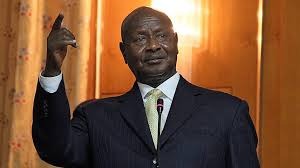

Uganda’s President Yoweri Museveni has signed a new law that aims to reduce foreign influence in the country. The government says the step is meant to protect national independence and make sure outside groups do not interfere in Uganda’s internal decisions.
The new law mainly targets individuals and organizations that receive money or support from foreign countries. These groups will now need to register with the government and clearly report how they use foreign funds. Officials say this will help bring more control and transparency.
Under the law, anyone who is seen as working against Uganda’s national interests with the help of foreign support could face serious punishment. This may include fines or even jail time in some cases.
The government believes foreign influence has become too strong in many parts of the world, and Uganda wants to protect itself from outside pressure. Supporters of the law say it will help the country stay independent and make its own decisions without interference.
However, the decision has also raised concerns. Some experts and organizations worry that the law may be too strict and could affect normal work done by international groups in Uganda.
Many foreign organizations help support projects in areas like health, education, and poverty relief. Critics say the new rules might make it harder for these groups to continue their work smoothly.
There are also concerns that the law does not clearly explain what exactly counts as “foreign influence.” Because of this, people fear that even simple activities like research or development projects could face restrictions.
Economists also warn that stricter rules on foreign funding could reduce investment in the country. If international money decreases, it may slow down development and affect job opportunities.
Uganda’s central bank has also expressed worry that limiting foreign funds could affect the country’s financial stability. Less foreign currency entering the economy could create pressure on financial reserves.
International development partners have also reacted with concern. Many of them work closely with local communities to improve healthcare, education, and living conditions. They fear the new law could make it harder to carry out these programs.
Despite these concerns, supporters of the law strongly defend it. They say every country has the right to protect itself from outside interference and make its own decisions freely.
They believe the law will help Uganda stay in control of its political system and ensure that national interests always come first.
As the law begins to take effect, its real impact will become clearer over time. Some see it as a step toward stronger independence, while others worry it could create new challenges for cooperation with international partners.