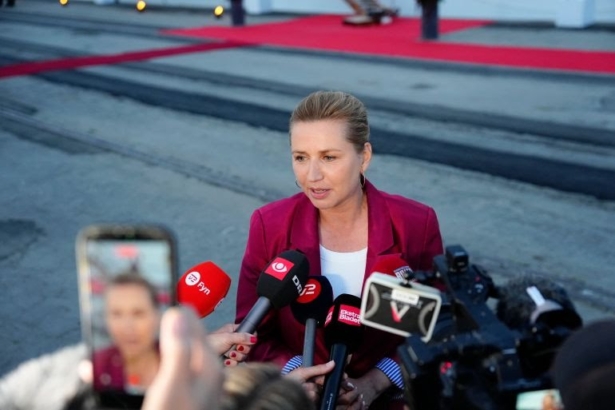

Denmark has finally moved past a prolonged political stalemate after Social Democratic leader Mette Frederiksen agreed to form a centre-left minority government, securing her position as prime minister for a third consecutive term.
The breakthrough comes more than two months after the March general election, which left parliament deeply fragmented and triggered intense negotiations among 12 political parties. A brief attempt by the centre-right Liberals to form an alternative government ultimately failed, clearing the path for Frederiksen’s return to power.
The new government takes office at a politically sensitive moment, with Denmark facing an escalating foreign policy dispute with the United States over Greenland. Tensions have risen after remarks by US President Donald Trump suggesting American interest in the self-governed Danish territory, a proposal firmly rejected by Copenhagen.
Frederiksen has strongly defended Greenland’s sovereignty, warning that any attempt to bring the territory under US control would undermine NATO unity. Greenland’s strategic importance—due to its location, natural resources, and the US Pituffik Space Base—has made it a focal point of international attention.
Domestically, Frederiksen enters office with a weakened parliamentary position. Her Social Democratic Party suffered a significant drop in support in the election, losing its previous governing majority and falling to its lowest seat count in over a century.
Despite internal political challenges, the new administration is expected to prioritise defence and security. Denmark has already increased military spending to over 3% of GDP and expanded conscription to include women, reflecting growing concerns over European security amid the ongoing war in Ukraine.
With a fragile minority government now in place, Frederiksen’s leadership will be tested by both domestic instability and rising geopolitical pressures in the Arctic region.