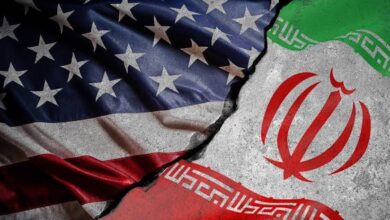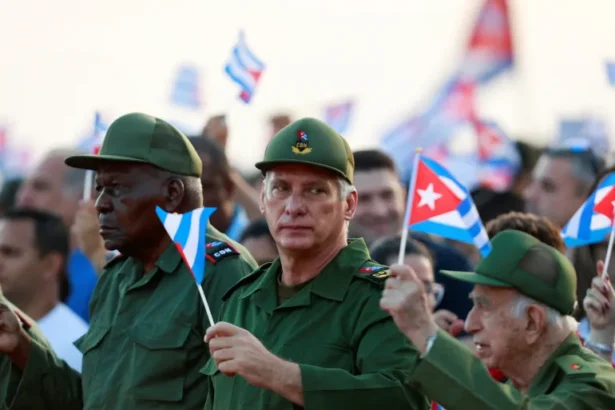

The United States has announced new sanctions against Cuban President Miguel Diaz-Canel, marking another escalation in tensions between Washington and Havana.
According to US authorities, the measures are part of broader efforts to increase pressure on Cuba’s leadership. The sanctions target Diaz-Canel as well as several members of his family. Additional restrictions have also been imposed on individuals linked to former Cuban president Raul Castro and on several state institutions.
The latest actions include sanctions against Cuba’s Ministry of the Revolutionary Armed Forces, military-related entities, and organizations that Washington says are connected to the country’s political system.
The move comes at a time when Cuba is facing severe economic challenges. The country has been struggling with prolonged power outages, fuel shortages, and limited supplies of food and medicine. Many areas have experienced lengthy electricity disruptions, adding to public frustration and economic hardship.
US President Donald Trump has repeatedly criticized Cuba’s government and has vowed to maintain pressure on communist-led administrations in the region. Speaking to reporters, Trump argued that Cuba is facing deep economic difficulties and said the United States would continue monitoring developments on the island.
Cuban officials strongly condemned the sanctions. President Diaz-Canel accused Washington of intensifying pressure on the Cuban people and attempting to create further confrontation between the two countries.
Cuban Foreign Minister Bruno Rodriguez also criticized the measures, describing them as interference in Cuba’s internal affairs. He said the country would continue to defend its sovereignty and independence despite external pressure.
Relations between the United States and Cuba have remained strained for decades. The US trade embargo against Cuba has been in place since 1962, although restrictions and policies have varied under different American administrations.
In recent years, economic difficulties in Cuba have worsened due to fuel shortages, declining revenues, and broader financial pressures. The government has increasingly relied on support and imports from friendly countries to address shortages of essential goods.