
Yemen’s Houthi leader Abdul-Malik al-Houthi has said the group is fully prepared for escalation amid rising regional tensions. He stated that the movement remains in close coordination with its regional allies.
In a televised address aired on Al-Masirah TV, al-Houthi said the group is ready for “any round of escalation or any developments” in the current regional situation. He said the region is passing through a “critical stage” that requires heightened awareness.
He added that the Houthis are in full coordination with allies in the so-called “Axis of Resistance.” He referred to developments in Lebanon and Palestine as well as what he described as aggressive US actions in the region.
Al-Houthi warned regional actors against being drawn into conflict in what he called support for Israeli interests. He accused the United States of attempting to expand the scope of regional confrontation.
He also accused Israel of committing serious violations in Palestine and Lebanon. He said Israel was pursuing broader strategic goals across the region through continued military actions.
The Houthi leader said his group remains prepared for all possible scenarios. He stressed that current conditions require unity among allied movements and strong political awareness.
Separately, Yemen’s Houthi-run Foreign Ministry expressed support for Hezbollah in Lebanon. It referred to recent regional developments and agreements involving Lebanese authorities and Israel.
The ministry said resistance remains the most effective response to ongoing Israeli actions. It claimed such resistance is necessary to counter occupation and military pressure in the region.
The statement was carried by the group’s Saba News Agency. It reaffirmed the Houthis’ political alignment with Hezbollah and other allied groups.
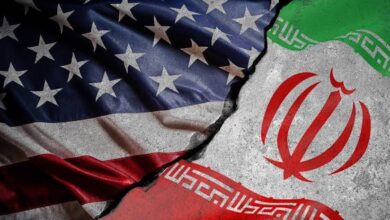
The comments come amid continued regional instability following months of heightened tensions across the Middle East. Conflicts involving Israel, Iran, and allied groups have further deepened security concerns.
Diplomatic efforts for de-escalation have continued, but mistrust among key actors remains high. The region continues to witness periodic warnings of wider confrontation.