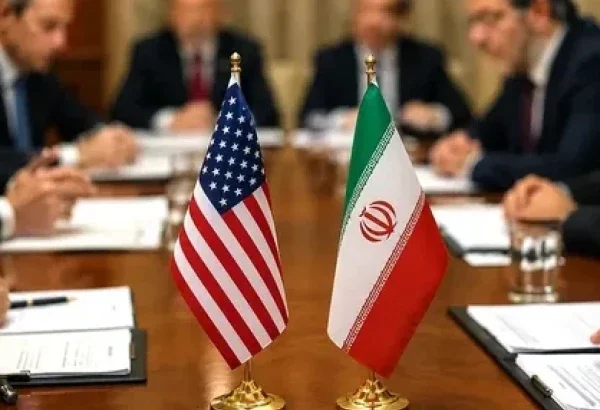

TEHRAN/WASHINGTON: Iran has reportedly rejected a US-backed ceasefire proposal delivered through Iraq, insisting that any agreement must address the underlying causes of the conflict rather than offer only a temporary halt in fighting, according to a report published by The New York Times.
The report said the proposal was conveyed during Iraqi Prime Minister Ali Al-Zaidi’s visit to Tehran after meetings with US officials in Washington. Acting as an intermediary, the Iraqi leader is said to have relayed Washington’s message in an effort to ease rising military tensions between Iran and the United States.
According to the report, Iranian officials made it clear that a short-term ceasefire would not be acceptable unless it included concrete solutions to the broader disputes driving the conflict, particularly issues surrounding the Strait of Hormuz, one of the world’s most strategically important maritime routes.
While the full details of the reported US proposal were not disclosed, Iranian officials were quoted as saying that a temporary pause in hostilities would do little to resolve the crisis without addressing Tehran’s core strategic concerns.
Iranian Foreign Minister Abbas Araghchi confirmed that the Iraqi prime minister had briefed Tehran on his discussions in Washington and shared his observations from the visit. However, Araghchi emphasized that communication channels between Iran and the United States already exist through several regional mediators.
“The issue is not the delivery of messages,” Araghchi said, according to Iranian media. “The real problem is Washington’s approach.” He accused the United States of pursuing what he described as an “unreasonable, greedy and controlling” policy that has fueled the current crisis.
The report added that Tehran remains committed to its long-standing strategic demands and is unwilling to accept any agreement that it believes undermines Iran’s national interests or regional position.
As of the time of publication, the US government had not issued an official response to the New York Times report or to the statements attributed to Iranian officials. The details of the alleged proposal have also not been independently verified.
Diplomatic efforts involving Iraq, Qatar, Pakistan, and other regional countries are continuing behind the scenes in an attempt to reduce tensions and prevent a wider regional conflict. However, political analysts say deep disagreements between Tehran and Washington continue to limit the prospects for a breakthrough.
The reported rejection underscores the significant obstacles facing mediation efforts, particularly as disputes over regional security, sanctions, and freedom of navigation in the Strait of Hormuz remain unresolved. With military tensions still high and both sides maintaining firm public positions, observers believe a comprehensive diplomatic solution remains difficult despite ongoing regional mediation initiatives.