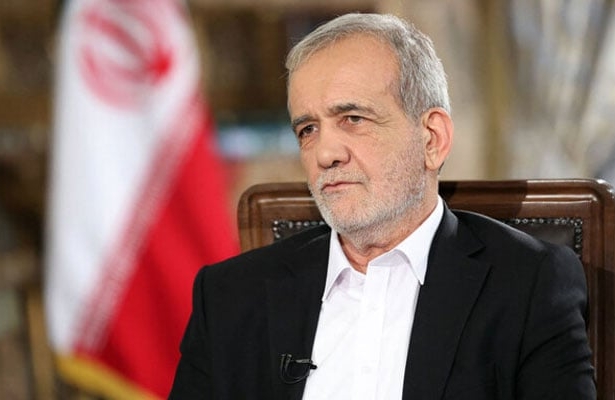

TEHRAN: Iranian President Masoud Pezeshkian has firmly denied reports claiming he had submitted his resignation, saying he remains fully committed to leading the country despite ongoing regional tensions and recent military escalation involving the United States.
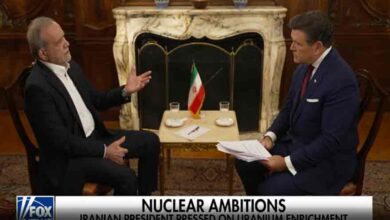
Speaking in a televised address, Pezeshkian dismissed speculation about stepping down, stating that he would publicly announce such a decision if it were ever made. He emphasized that he has no intention of resigning and will continue carrying out his responsibilities.
The Iranian president also rejected reports suggesting differences with Mojtaba Khamenei and the country’s armed forces. He said the government, military leadership and state institutions were working in close coordination and remained united on national issues.
His remarks came after opposition-linked media claimed that he had submitted his resignation several times amid growing political and security challenges. Iranian officials have not confirmed those reports.
Meanwhile, diplomatic efforts to ease tensions between Lebanon and Israel continued as the two sides launched the seventh round of direct negotiations in Rome under United States sponsorship.
According to Lebanese media reports, delegations from both countries are discussing the implementation of a US-backed framework agreement reached in June. The agreement outlines a gradual Israeli withdrawal from occupied Lebanese territory in exchange for the deployment of the Lebanese army and the disarmament of armed groups operating in those areas.
The latest negotiations follow six previous rounds of talks aimed at reducing border tensions and advancing the implementation of the agreement.
Separately, a report published by The New York Times claimed that Iran and Oman are close to reaching an arrangement to restore normal commercial shipping through the Strait of Hormuz, one of the world’s most important energy transit routes.
According to the report, the proposed arrangement would establish separate shipping channels for vessels entering and leaving the Gulf. Iranian officials reportedly said the plan would include a service fee to cover environmental protection, maritime security and operational costs, with revenue shared between Iran and Oman.