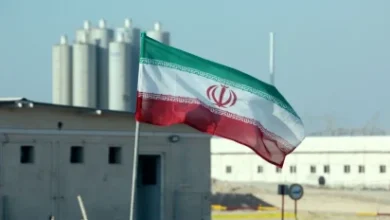

WASHINGTON: Iran’s hardline leadership has reportedly spent the past two months preparing for a possible major war. The preparations allegedly began after the signing of an Islamabad memorandum of understanding in mid-June.
According to the report, Iran’s Islamic Revolutionary Guard Corps (IRGC) was given greater control over the country’s regular military, while officers with experience in the Iran-Iraq War and previous domestic crackdowns were appointed to key positions.
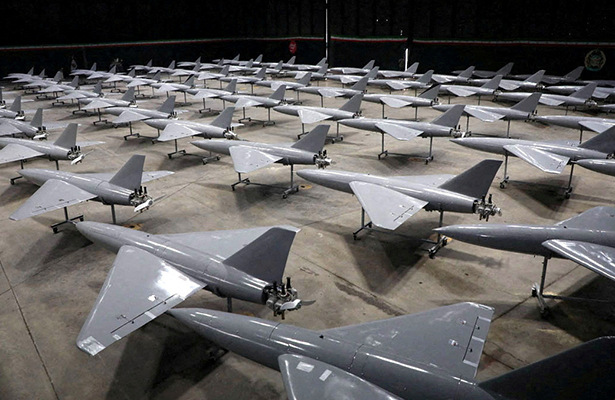
At the same time, Iran expanded its internal counterintelligence operations and accelerated the production of missiles and drones. Iranian leaders also reportedly moved quickly to strengthen their control over the Strait of Hormuz by targeting ships and expanding the potential battlefield toward the Red Sea.
US officials said Arab intelligence agencies had obtained evidence suggesting that Iran’s hardline leadership was pursuing a strategy aimed at expanding the conflict and creating greater difficulties for the United States.
The developments have reportedly caused concern among Gulf countries such as Kuwait. Iranian leaders have increasingly spoken about offensive operations against enemy territory, with the stated objective of inflicting significant damage and preventing a repeat of the attacks Iran experienced during last year’s 12-day war and the current conflict.
Mohammad Hassan Sangtarash, a defense analyst considered close to the Iranian government, said there is a widespread view in Iran that “the real war has not started yet.” He described the events so far as limited and gradual escalation intended to weaken the enemy’s capabilities before a potentially larger attack.
Israeli officials are concerned that Iran is rebuilding its infrastructure and restoring access to missile bases much faster than expected. The report claimed that Iran has successfully targeted US bases and retains enough firepower to threaten commercial shipping and energy infrastructure in the Gulf.
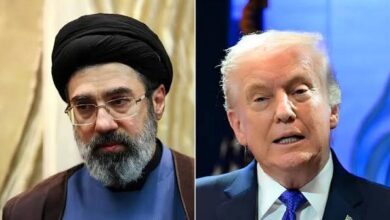
Iran had been pursuing a dual-track policy. While its diplomats were attempting to negotiate a peace agreement with the United States, Supreme Leader Mojtaba Khamenei was reportedly taking steps to prepare security institutions for a major confrontation that Tehran itself could potentially initiate.
Arab intelligence reports cited by the newspaper reportedly indicated that, during the period following the signing of the memorandum, the IRGC sent advisers to allied groups in Iraq, Yemen and Lebanon to help prepare for potentially intensified attacks.
The IRGC also allegedly supervised the deployment of missiles, naval weapons and drone launchers at locations overlooking the Red Sea. Officials claimed that Iranian forces provided Yemeni militants with intelligence and lists of potential targets, including Saudi ports and energy facilities, while also offering advice on avoiding Saudi retaliation.
The newspaper further reported that the IRGC had warned Gulf states that if the United States attacked Iranian energy facilities, Iran could retaliate against their energy infrastructure. Iranian officials allegedly provided Arab counterparts with detailed lists of individual potential targets.
IRGC spokesman Brigadier General Hossein Mohebbi reportedly acknowledged in a July interview with Tasnim News Agency that Iran had used the ceasefire period to strengthen its capabilities, accelerate missile production and improve missile accuracy.
Meanwhile, sources close to senior Iranian negotiators reportedly warned that the current peace talks could merely represent a temporary pause before a larger conflict. Mehdi Mohammadi, a strategic adviser to Iran’s chief negotiator, described the current stalemate as the “calm before the storm.”
In an earlier statement, Mohammadi also said that Iran still had many scores to settle with US President Donald Trump and claimed that the country was fully prepared for a major confrontation.