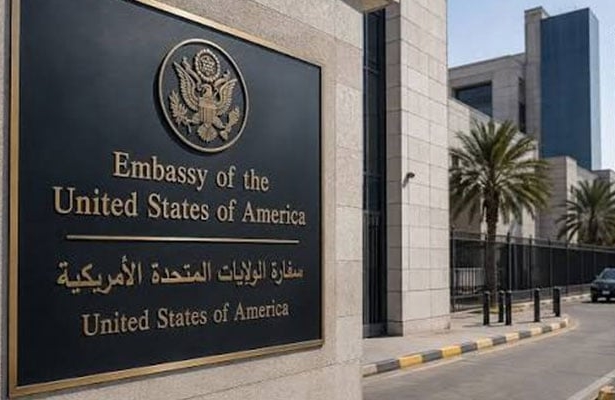

WASHINGTON: The United States has begun preparations to return diplomatic personnel to several embassies across the Middle East that were previously evacuated amid concerns over the conflict with Iran.
According to a report, an internal document from the US State Department indicates that the process of bringing American diplomats back to the region and scaling down emergency security measures could begin as early as this week.
The development is being viewed as a possible indication that the administration of US President Donald Trump does not currently expect a full-scale war with Iran to resume. The planned return of diplomatic personnel suggests Washington may be assessing the security situation as sufficiently stable to gradually restore normal diplomatic operations.
The internal document reportedly outlines plans to increase staffing levels at several US diplomatic missions across the region. These include American embassies in Israel, Lebanon, Saudi Arabia, Qatar, Jordan, Oman, Iraq and Kuwait.
The planned changes would mark a gradual shift from the emergency measures implemented by the US government after the conflict began. American diplomatic missions had faced heightened security concerns as tensions between Iran, Israel and the United States escalated.
Following the outbreak of the war in February, the US State Department ordered the evacuation of personnel from several diplomatic missions in the Middle East. The measures were introduced as a precaution amid concerns that the conflict could expand and expose American diplomats and other personnel to increased risks.
The decision to begin reversing some of those measures indicates that Washington may now have greater confidence in the security environment. However, the reported plans do not necessarily mean that all emergency precautions will immediately be removed or that diplomatic operations will return to their previous levels overnight.
Instead, the process is expected to take place gradually, with staffing levels and security arrangements adjusted according to conditions in individual countries.
The Middle East remains a strategically important region for the United States, with Washington maintaining diplomatic missions across countries that play significant roles in regional politics, energy supplies and security affairs. US embassies also provide important channels for communication with governments and local authorities.
The possible return of diplomats comes at a time when Washington continues to closely monitor developments involving Iran and its regional relationships. Any renewed escalation could potentially affect American diplomatic personnel and military interests in the region.
The State Department’s reported internal plans therefore suggest an attempt to balance diplomatic needs with security considerations. Returning personnel would allow American missions to resume broader diplomatic activities while maintaining measures designed to protect staff.
The report did not indicate that the United States considers the broader security situation completely resolved. Rather, the planned reduction in emergency measures appears to reflect a reassessment of the immediate threat following the conflict.
The move could also have wider diplomatic implications. Restoring normal staffing levels at embassies may enable Washington to strengthen engagement with regional governments and improve coordination on political and security matters.
For now, the process is expected to depend on developments on the ground. Any significant escalation between the United States, Israel and Iran could lead Washington to reconsider the planned deployment of diplomats and reinstate stricter security measures.
The reported preparations nevertheless represent a notable shift from the evacuation measures introduced after the outbreak of the conflict in February.