
ISLAMABAD: The privatisation of Faisalabad Electric Supply Company (FESCO) has moved into its next phase after the Privatisation Commission (PC) Board prequalified 10 interested parties from 12 Expressions of Interest (EOIs) submitted for the power distribution company.
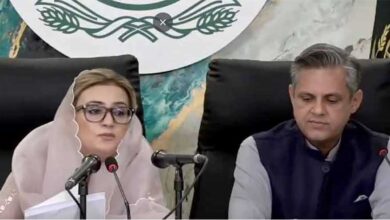
The decision was taken during the 258th meeting of the Privatisation Commission Board, chaired by Muhammad Ali, Adviser to the Prime Minister on Privatisation and Chairman of the Privatisation Commission.
The list of successful bidders includes three Turkish energy companies—Aktor Elektrik Enerji Yatirimlari, Genvera Enerji and Cengiz Enerji—alongside leading Pakistani business groups, including Engro Energy, Sapphire Fibres, Hub Power Holdings Consortium, Shirazi Investments, Maple Leaf Cement Factory Consortium, Pakgen Consortium and Artistic Milliners.
The participation of major Turkish energy companies, together with prominent Pakistani industrial groups, highlights significant interest in FESCO and the broader potential of Pakistan’s power distribution sector.
With the prequalification process completed, the successful parties will now receive access to FESCO’s Virtual Data Room (VDR), enabling them to examine detailed information concerning the company’s operations, assets, financial position and liabilities as part of the due diligence process.
The Privatisation Commission Board has also approved the reconstitution of its Audit and Risk, Human Resources, Investment and Legal Committees to strengthen institutional oversight during the transaction.
The commission said the privatisation process would be conducted through transparent and competitive procedures, with the objective of maximising value for the government and the people of Pakistan.
FESCO is one of the country’s major electricity distribution companies, serving a large industrial and residential consumer base in central Punjab. The proposed privatisation is aimed at improving operational efficiency, reducing electricity losses, strengthening customer services and encouraging investment in distribution infrastructure.
For consumers, the success of the process could eventually translate into improved fault-response times, greater use of modern grid technologies, digital services and more efficient electricity distribution. However, the impact on tariffs and consumer bills will depend on regulatory decisions and the eventual structure of the transaction.
The prequalification of the 10 parties marks a significant milestone in the government’s broader efforts to reform the power distribution sector and attract private-sector investment into Pakistan’s electricity infrastructure.