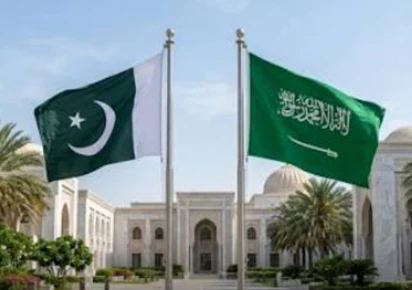

Pakistan and Saudi Arabia have begun moving their Economic Cooperation Framework into the implementation phase, with Riyadh seeking detailed updates on the progress of agreed reforms and sector-specific initiatives through 2030.
Sources in Pakistan’s Economic Affairs Division told The Express Tribune that Saudi authorities had asked Islamabad to prepare comprehensive progress reports covering investment proposals, cooperation initiatives, knowledge transfer and policy reforms.
The Saudi government has requested three categories of submissions: new cooperation proposals, updates on ongoing initiatives and progress on agreed policy measures. Pakistan’s embassy in Riyadh conveyed the request to the relevant authorities on September 8, with an initial deadline of September 14, 2026, for submitting the required information.
The reporting exercise follows extensive technical discussions between ministries from both countries. According to officials, the consultations examined economic reforms and investment opportunities across 12 sectors.
The diagnostic process began in September 2025, followed by joint sessions and two review workshops that helped identify sector-specific initiatives and policy recommendations.
Saudi Arabia has also expressed interest in investing in Pakistan’s Reko Diq copper and gold mining project. However, it remains unclear whether Riyadh will acquire a 15% stake in the project.
Meanwhile, Pakistan continues to anticipate Saudi investment in a proposed $10 billion oil refinery in Gwadar. Islamabad has introduced incentives under its new refinery policy to attract Saudi investment and encourage other foreign investors to participate in the project.
The Economic Cooperation Framework was publicly announced after Prime Minister Shehbaz Sharif met Saudi Crown Prince Mohammed bin Salman in Riyadh on October 27, 2025. According to Pakistan’s Ministry of Foreign Affairs, the two leaders agreed to launch the framework to strengthen bilateral trade and investment ties.