
Sindh’s first province-wide gender equality report has highlighted progress in areas such as maternal health, women’s employment and political participation. However, it also identified major gaps in education, law enforcement, justice, economic opportunities and digital access.
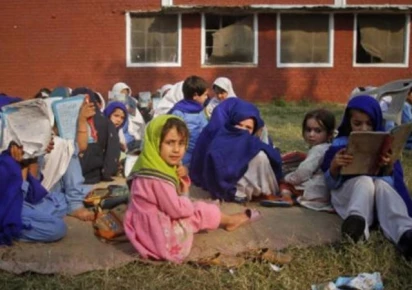
The report, released by the Sindh government, showed that more than 4.08 million girls between the ages of five and 16 are still out of school. Female literacy also remains significantly lower than male literacy across the province.
According to the report, the literacy rate stands at 68% among men compared with 47% among women. The situation is more challenging in rural areas, where female literacy is recorded at just 27.52%.
The report also pointed to limited representation of women in key public institutions. Women make up only 4.34% of Sindh’s police force. Their representation stands at 18.3% among prosecutors and 13.7% among judges.
The findings also recorded 3,085 reported cases of gender-based violence in 2024. The report called attention to the need for stronger protection systems and better access to justice for women.
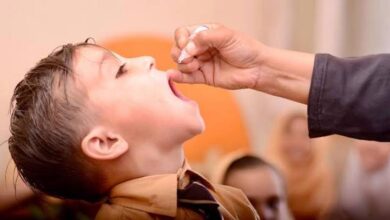
At the same time, Sindh has made progress in several areas. The maternal mortality ratio declined from 314 to 224 deaths per 100,000 live births. The provincial government has also increased its health spending in recent years.
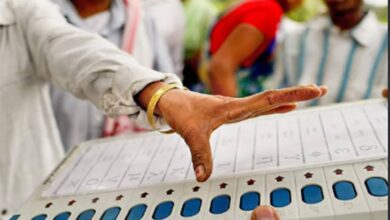
Women’s participation in politics has also grown. The number of registered female voters has crossed 12 million. The number of women contesting elections increased from 23 in 2018 to 53 in 2024.
The report further showed an increase in women’s participation in the labour force. Their labour-force participation rose from 43.8% to 46.2%, while the number of employed women increased from 2.48 million to 3.32 million.
Despite these gains, the report identified several obstacles to women’s economic empowerment. These include limited digital connectivity, financial inclusion, skills development, entrepreneurship opportunities and access to decent employment.
Sindh Chief Minister Murad Ali Shah directed provincial departments to introduce targeted reforms based on the findings. He said the report would help the government identify areas requiring urgent attention and support evidence-based planning and institutional reforms.
The report described gender equality as an important part of sustainable development and called for stronger policies to improve women’s and girls’ access to education, healthcare, employment and public representation.