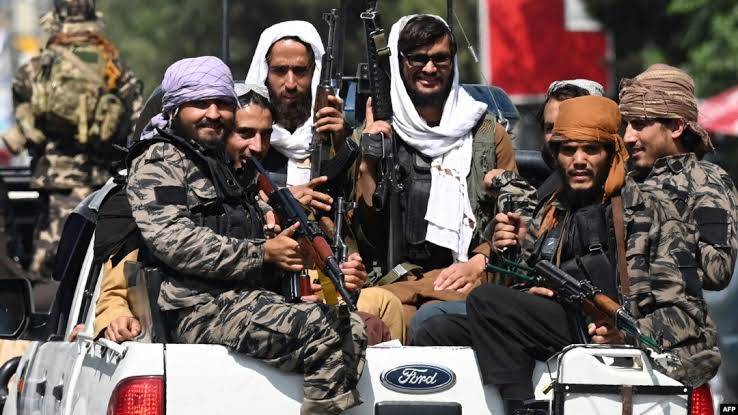

Armed opposition groups have stepped up attacks against the Taliban in Afghanistan, with fighting in northern areas, including Badakhshan, raising fresh security concerns for neighbouring Central Asian countries, it was reported on Wednesday.
According to Afghanistan International, the Afghanistan Freedom Front, United Front of Afghanistan and National Resistance Front claimed at least 50 attacks against Taliban forces during August. The groups said their operations had caused casualties, although the Taliban has not confirmed many of the claims.
Badakhshan has emerged as one of the main areas of fighting. Afghanistan International reported that the conflict in the province had moved towards more direct fighting between opposition groups and Taliban forces, particularly in districts including Zebak, Yaftal, Kishm and Yamgan.
The Afghanistan Freedom Front said it carried out 21 operations between July 23 and August 22 across eight provinces. The United Front of Afghanistan also reported around 20 attacks by August 20 and later said it had conducted 43 operations across 14 provinces during August.
The National Resistance Front separately reported nine attacks between July 29 and August 29 in provinces including Badakhshan, Kunduz, Herat and Baghlan. The group claimed casualties among Taliban forces, but such figures have not been independently verified.
The increase in armed activity comes despite repeated Taliban claims that security has been established across Afghanistan. The United Nations has also reported continued security incidents, although its assessment says the armed opposition groups remain fragmented and have not significantly challenged the Taliban’s control of the country.
According to the latest UN figures, 2,947 security-related incidents were recorded across Afghanistan between May 1 and July 31, an 11 per cent increase compared with the same period a year earlier. Fourteen armed opposition groups claimed responsibility for 88 incidents across 21 provinces, of which 55 were verified by the United Nations, according to reporting on the UN assessment.
The renewed fighting has also drawn attention in Central Asia, particularly along the Afghan-Tajik border. Tajikistan is a member of the Russia-led Collective Security Treaty Organisation, whose Central Asian forces conduct joint exercises aimed at responding to security threats, including armed groups and terrorism.
The CSTO has described the Central Asian Collective Rapid Deployment Forces as units prepared to respond to military threats and conduct joint counter-terrorism operations. The organisation’s 2026 programme included the Rubezh-2026 exercise in Kazakhstan in September.
The security situation along the Afghan-Tajik border has remained a concern for the regional security alliance. Analysts have described Afghanistan as a major security challenge for the CSTO’s Central Asian area of responsibility, while the organisation has continued to strengthen preparedness among its member states.
The recent rise in anti-Taliban attacks therefore comes at a time of wider security concerns surrounding Afghanistan. While the opposition groups say their armed campaigns are expanding, the United Nations continues to assess that they remain fragmented and have not seriously undermined Taliban territorial control.