
The government has unveiled a strategic plan to strengthen Pakistan’s local currency bond market, with a key reform allowing eligible bank customers to trade listed government securities through the stock market.
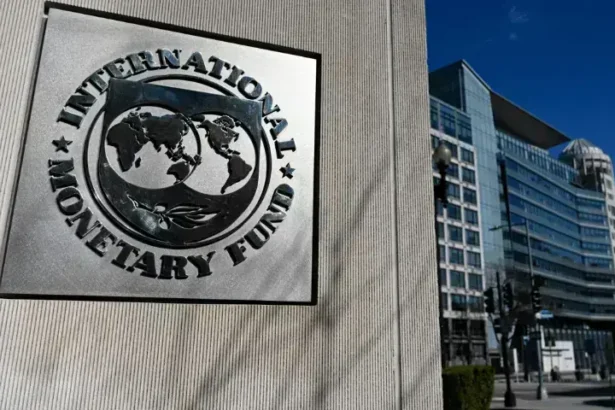
The initiative has been introduced as Pakistan holds talks with an International Monetary Fund (IMF) mission over the next review of the country’s economic programme. Successful completion of the review could pave the way for around $1.2 billion in financing under the Extended Fund Facility and Resilience and Sustainability Facility.
The plan aims to create a deeper, more liquid and diversified market for rupee-denominated government and corporate securities. It was developed following an IMF-World Bank assessment of Pakistan’s local currency bond market.
At present, commercial banks hold about 78 per cent of government securities, while sovereign debt makes up roughly 62 per cent of banking-sector assets. The heavy concentration of government debt within banks has supported public borrowing but has also limited the flow of credit towards the private sector.
Under the new framework, eligible customers will be able to trade exchange-listed government securities through their banks. The process will operate under the oversight of the State Bank of Pakistan, Securities and Exchange Commission of Pakistan, Pakistan Stock Exchange and Central Depository Company.
The government also plans to make the issuance of government securities more predictable by introducing a clearer benchmark policy and strengthening medium-term debt management.
Another major focus will be improving trading in the secondary market. Authorities plan to develop greater market liquidity, strengthen the repo market and introduce a securities-lending facility for primary dealers.
The strategy also seeks to expand the investor base by encouraging greater participation from institutional, retail and foreign investors.
Officials expect the reforms to help lower the cost and risks associated with government borrowing, improve monetary policy transmission and establish a more reliable benchmark for private-sector financing.
The IMF mission is also reviewing developments in the power, petroleum and automobile sectors, privatisation and tax administration as part of the ongoing programme assessment.