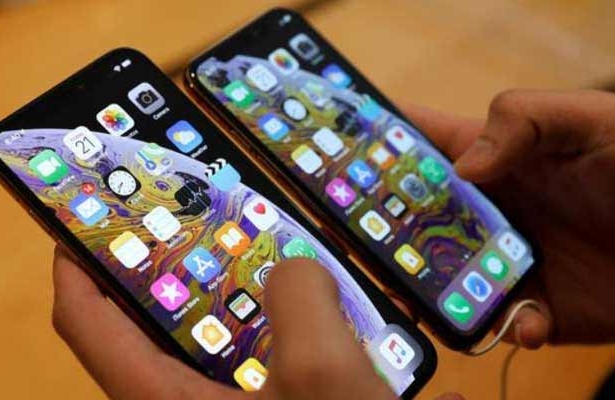

Pakistan’s local smartphone manufacturing sector is facing growing pressure as imports of fully assembled mobile phones, particularly used devices, continue to rise.
Data from the Pakistan Telecommunication Authority shows that 105,121 used smartphones were imported in September, with an estimated value of $14.03 million.
During the same month, Pakistan also imported 23,616 new fully assembled smartphones worth around $19.40 million. Combined, imports of new and used devices reached 128,737 units, valued at approximately $33.43 million.
Used smartphones made up nearly 82% of all fully assembled mobile phones imported during the month. The figures point to a growing consumer preference for second-hand imported devices amid financial pressures.
At the same time, local smartphone production dropped to 628,030 units in September. Industry representatives said monthly domestic output had previously remained around 1.1 million to 1.2 million units.
The imported fully assembled phones were equivalent to about one-fifth of local smartphone production during the month. When both imported and locally produced smartphones are combined, imported devices represented roughly 17% of the total volume.
Feature-phone manufacturing remained comparatively stable. Local factories produced around 1.053 million feature phones during September, indicating continued demand for cheaper handsets.
Industry representatives have attributed the decline in local smartphone production to higher taxes, weaker consumer purchasing power and the increasing availability of used imported phones.
Pakistan Mobile Phone Manufacturers Association Senior Vice President Aamir Allahwala warned that the trend could threaten the viability of local manufacturing facilities.
He said continued growth in fully assembled and used phone imports, alongside falling domestic production, could put factories and thousands of jobs at risk if local manufacturers are unable to remain commercially viable.
Industry stakeholders have urged the government to reconsider the existing taxation and import policies for mobile phones. They argue that a more supportive framework is needed to protect local manufacturers, preserve employment and reduce dependence on imported devices.
They also warned that rising imports could increase pressure on Pakistan’s foreign exchange reserves while weakening efforts to develop a sustainable domestic mobile phone manufacturing industry.