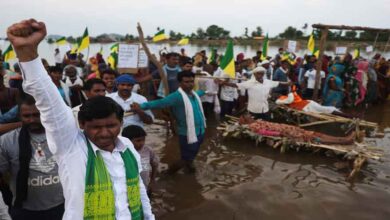



NEW DELHI: Students and activists in India’s capital are using social media and digital technology to organise demonstrations and help detained protesters as they navigate an intensifying standoff with police.
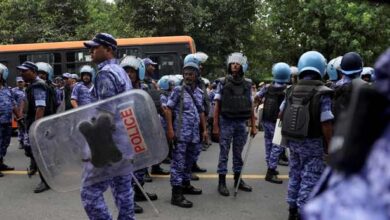
With tens of thousands of security personnel deployed across key areas of New Delhi to prevent protesters from gathering at Jantar Mantar, demonstrators have begun staging brief, surprise rallies at alternative locations, catching authorities off guard.
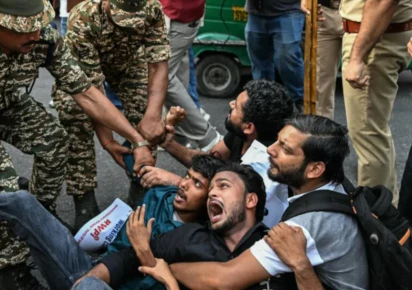
Despite reports of thousands of detentions during weekend demonstrations, protesters have continued their activities, with many of those detained subsequently released. Their actions reflect a growing reliance on digital networks to coordinate resistance and support participants during the crackdown.
The demonstrators are demanding the resignation of India’s election commission chief, accusing the constitutional body of manipulating voter lists to benefit Prime Minister Narendra Modi’s ruling party. The election commission has denied the allegations.
As police attempt to restrict gatherings and disperse demonstrations, technology-savvy students and volunteers are finding innovative ways to share information, organise support and respond quickly to developments on the ground.
Among them is Meghnad S., a 36-year-old content creator who has mobilised a network of approximately 170 volunteers to help locate detained protesters and arrange assistance for their release.
Equipped primarily with smartphones, the volunteers spent the weekend tracking police vehicles and gathering information about where detainees had been taken. They then entered the information into a digital dashboard designed to connect people needing assistance with volunteer drivers.
Meghnad told Agence France-Presse that the group uses WhatsApp to coordinate its efforts. Once volunteers identify the location of detainees, they contact the network to find available drivers and determine what resources they can provide, including vehicles, food, water and fuel.
The initiative has effectively created a community-based support network, allowing volunteers to respond to rapidly changing circumstances and help protesters navigate the aftermath of police detentions.
The demonstrations have highlighted the growing role of social media and digital coordination in public protests. While authorities rely on extensive security deployments to control access to designated protest areas, demonstrators are using decentralised networks to organise smaller gatherings and maintain communication.
The confrontation continues amid allegations surrounding India’s voter registration process, which have intensified political tensions. The election commission’s denial of wrongdoing remains central to the dispute, as protesters press for accountability and changes to the electoral process.