


Staff Reporter
MULTAN: Relentless inflationary pressure and chronic currency devaluation over the past quarter-century have severely eroded the purchasing power of citizens across Pakistan.
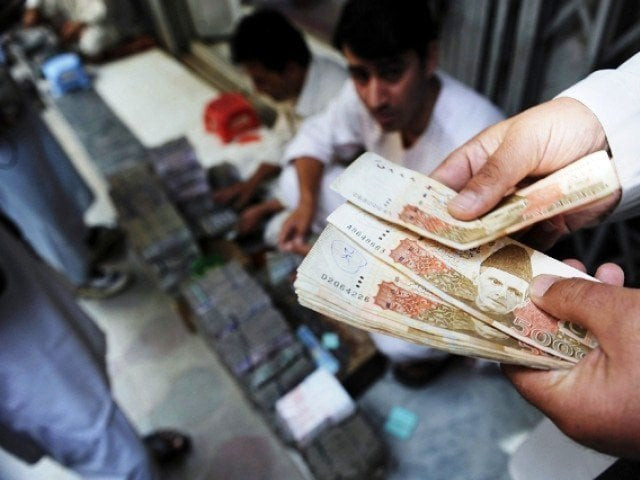
A comparative economic review spanning 2000 to 2025 reveals that, under the Consumer Price Index (CPI), the purchasing power of the Pakistani Rupee has dropped nearly ninefold. Consequently, PKR 100,000 in the year 2000 holds a real value of merely PKR 10,850 today, requiring at least PKR 921,464 to procure an equivalent basket of basic consumer goods and services.
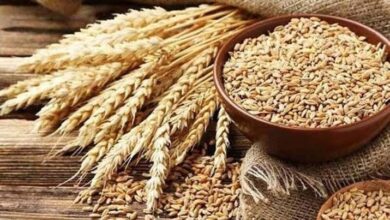
The disparity is even starker when benchmarked against tangible commodities and key consumer essentials. In 2000, PKR 100,000 could buy around 16 tolas of gold at roughly PKR 6,000 to PKR 6,500 per tola. Today, with gold prices surging past PKR 400,000 per tola, purchasing that same volume requires more than PKR 6.4 million. Similarly, petrol has climbed from around PKR 30 to roughly PKR 280 per litre, wheat has jumped from PKR 300 per 40-kg maund to nearly PKR 4,000, and per-unit electricity tariffs—including taxes and surcharges—have spiked from PKR 3 to between PKR 50 and PKR 65.
This sustained erosion has dealt a severe blow to the agrarian economy of South Punjab. Sharp escalations in the cost of farm inputs, with DAP and urea fertiliser prices multiplying between 12 and 20 times alongside ongoing challenges in the cotton sector, have left smallholders and tenants heavily indebted.
Economic assessments indicate that multidimensional poverty remains persistently high in vulnerable southern districts—particularly Rajanpur, Muzaffargarh, and Dera Ghazi Khan—hovering between 45% and 60%. While statutory minimum monthly wages nominally grew from PKR 2,000 to PKR 37,000 over the period, soaring energy bills, medical expenses, and kitchen essentials have outpaced household earnings, leaving low- and middle-income families struggling for basic subsistence.