


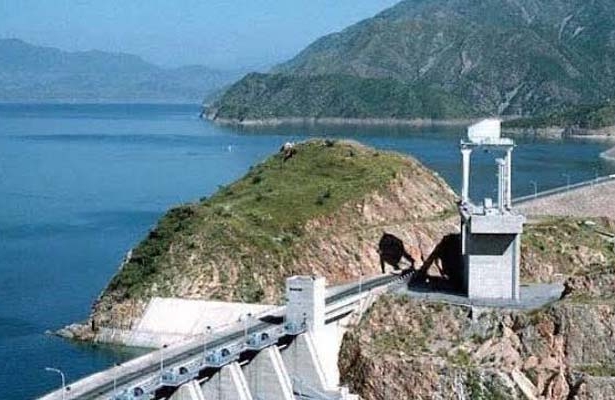

Pakistan is considering an investment of Rs5 trillion in the construction and development of water infrastructure as the country seeks to improve water-use efficiency, expand storage capacity and strengthen flood management.
According to a report by the Planning Commission, Pakistan aims to increase its water-use efficiency from the current 40% to 70% by 2029. The proposed measures are intended to improve water management and ensure more effective use of the country’s available resources.
The report estimates that federal funding of around $18 billion will be required over the next 10 years to develop key water infrastructure. The planned investment would cover flood management projects, the construction of water reservoirs and the modernisation of canals.
These measures are considered important for addressing Pakistan’s growing water challenges, including pressure on groundwater reserves, inefficient irrigation practices and the need for better storage facilities.
The report also raises concerns about the continued decline in groundwater levels across Punjab. It warns that the water table is falling by between 0.5 and one metre annually, raising questions about the long-term sustainability of groundwater supplies.
To address this issue, the report recommends linking subsidies for solar-powered agricultural tube wells to groundwater registration and compliance with sustainable water-extraction limits.
The proposed approach would aim to prevent excessive groundwater pumping while allowing farmers to benefit from solar energy for irrigation. Registering tube wells and monitoring water extraction could also help authorities manage groundwater resources more effectively.
The framework further proposes recycling and reusing at least 25% of wastewater generated in urban areas. The measure could help reduce pressure on freshwater supplies and provide an additional source of water for suitable uses.
The proposed investment and policy measures form part of broader efforts to improve Pakistan’s water management system. Their implementation would require sustained financing, infrastructure development and effective monitoring to meet the country’s water-efficiency targets by 2029.